
 English
  Español
  Português
  عربى
عربى 

The corrugated packaging industry is moving toward faster production cycles, customized orders, and higher requirements for material utilization. As production lines become more automated, paper roll changing has become a critical process that affects the stability of the entire corrugating workflow. The development of the Corrugated Cardboard Automatic Splicer Machine is changing how manufacturers manage continuous paper feeding and production transitions.
Traditional paper roll replacement requires manual operation and temporary production interruption, which may affect line stability and create additional paper waste. Modern automatic splicing technology allows a new paper roll to connect with the running web smoothly, helping corrugated production lines maintain continuous operation.
Automatic Splicing Creates a New Approach to Continuous Production
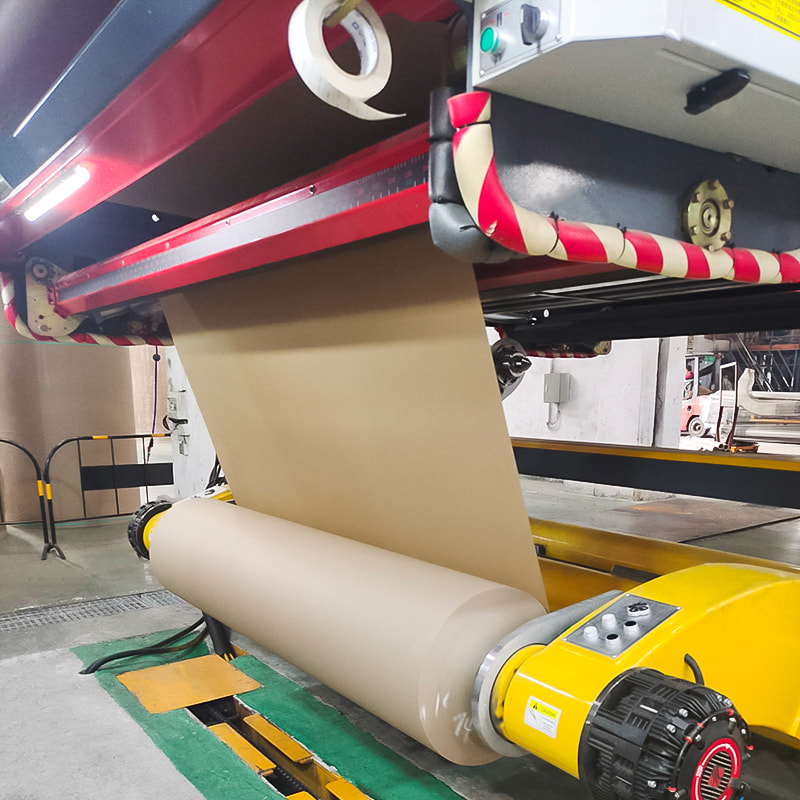
A corrugated production line depends on a stable supply of liner paper and medium paper. Any interruption during paper roll replacement may influence bonding quality, flute formation, and overall production consistency. Automatic splicing equipment solves this challenge by preparing the new roll before the existing roll reaches its end.
The Corrugated Cardboard Automatic Splicer Machine uses coordinated mechanical movements and control systems to complete paper joining without stopping the corrugator. The machine detects the appropriate timing, controls the paper tension, and completes the splice process with accurate positioning.
- Continuous paper feeding: Maintains a stable material supply during high-speed corrugated production.
- Automatic roll transition: Connects new paper rolls without requiring a complete production shutdown.
- Controlled paper alignment: Helps reduce connection errors caused by manual operation.
Precision Tension Control Improves Splicing Stability
Paper tension is a major factor affecting splice quality. Corrugated paper materials vary in thickness, weight, and surface characteristics, which means the splicing system must respond accurately during roll changes.
Modern automatic splicer systems often include dancer rollers, acceleration rollers, and tension control devices to maintain smooth paper movement. Some industrial auto splicer systems use servo-driven acceleration rollers and multiple dancer roller configurations to stabilize web tension during different production speeds.
Typical technical configurations may include:
- Control system: PLC automation with HMI touchscreen operation.
- Drive technology: Servo motor control for accurate acceleration and positioning.
- Splicing speed: Certain industrial models can support several hundred meters per minute depending on paper type and machine design.
- Paper compatibility: Designed for different liner and medium paper specifications.
Automation Changes Operator Roles in Corrugated Plants
The introduction of automatic splicing equipment is also changing daily production management. Instead of focusing on manual paper connection tasks, operators can monitor production parameters and optimize overall line performance.
A modern Corrugated Cardboard Automatic Splicer Machine integrates sensors, control units, and mechanical components to reduce dependence on manual adjustment. This approach improves process repeatability and allows operators to manage more complex production requirements.
Key Automation Features
- Touchscreen interface: Provides easier parameter setting and operation monitoring.
- Automatic synchronization: Matches the splicing process with corrugator running speed.
- Fault monitoring: Helps identify abnormal conditions during operation.
- Data management: Supports modern production tracking systems.
Material Saving Becomes an Important Advantage of Modern Splicers
Paper waste is an important consideration in corrugated manufacturing. Every unnecessary overlap, incorrect connection, or unstable splice can increase material consumption. Automatic splicing technology focuses on improving connection accuracy and reducing unnecessary paper loss.
Advanced systems use precise cutting and joining methods to create cleaner splice areas. Some designs use controlled adhesive zones and optimized paper positioning methods to reduce excess material during the connection process.
This feature is especially valuable for packaging companies handling large production volumes, short order cycles, and different paper grades. Better material control helps manufacturers maintain consistent output while managing raw material costs.
Automatic Splicing Supports Flexible Packaging Production
The packaging market is becoming more diversified. Customers require different box sizes, printing designs, and structural solutions, which creates more frequent production changes. A flexible corrugated production line needs equipment that can adapt quickly to changing requirements.
Automatic splicing technology provides greater flexibility by allowing faster paper roll changes and smoother transitions between production tasks. This capability supports industries such as e-commerce packaging, food containers, electronic product boxes, and industrial transportation cartons.
- E-commerce packaging: Requires stable production for various box specifications.
- Food packaging: Needs consistent board quality and reliable processing.
- Industrial cartons: Depends on strong corrugated structures for transportation protection.
Integration With Smart Corrugated Production Systems
The future of corrugated manufacturing is closely connected with intelligent production management. Automatic splicing equipment is becoming part of larger automated systems that include production monitoring, process control, and data communication.
Modern corrugators can combine splicing units with production control platforms to manage speed adjustment, order changes, and operational information. These technologies allow manufacturers to improve coordination between different production stages.
The combination of automation hardware and digital control creates a more connected production environment. Automatic splicing is no longer only a paper joining process; it has become an important part of efficient corrugated manufacturing management.
Automatic Splicing Technology Defines the Next Stage of Corrugated Manufacturing
The development of automatic splicing systems represents a significant change in corrugated production methods. Through accurate paper connection, improved tension control, and automated operation, the Corrugated Cardboard Automatic Splicer Machine helps modern production lines achieve smoother workflow management.
As packaging requirements continue to evolve, manufacturers need equipment that supports flexibility, accuracy, and stable operation. Automatic splicing technology provides a reliable foundation for future corrugated production systems and supports the development of smarter packaging manufacturing.