
 English
  Español
  Português
  عربى
عربى 
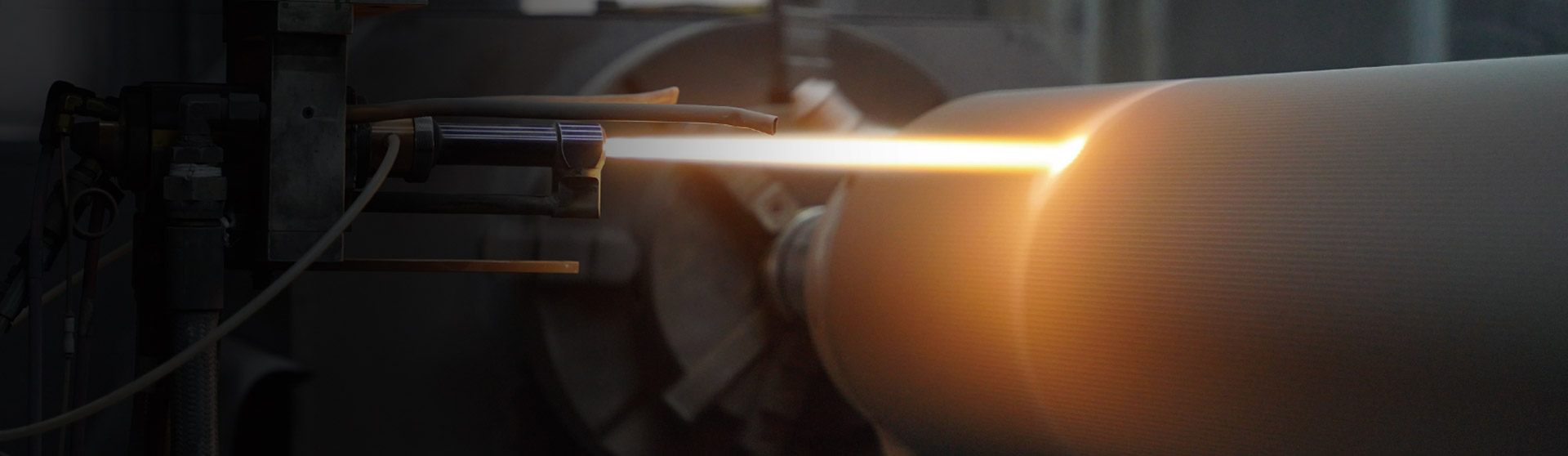

Upgrading a corrugated board production line involves more than purchasing new machinery. Existing components must fit the new equipment configuration, match the required board specifications, and operate within the intended production conditions. Corrugating rolls deserve particular attention because their dimensions, flute geometry, and mounting arrangements directly affect whether they can be installed and used as planned.
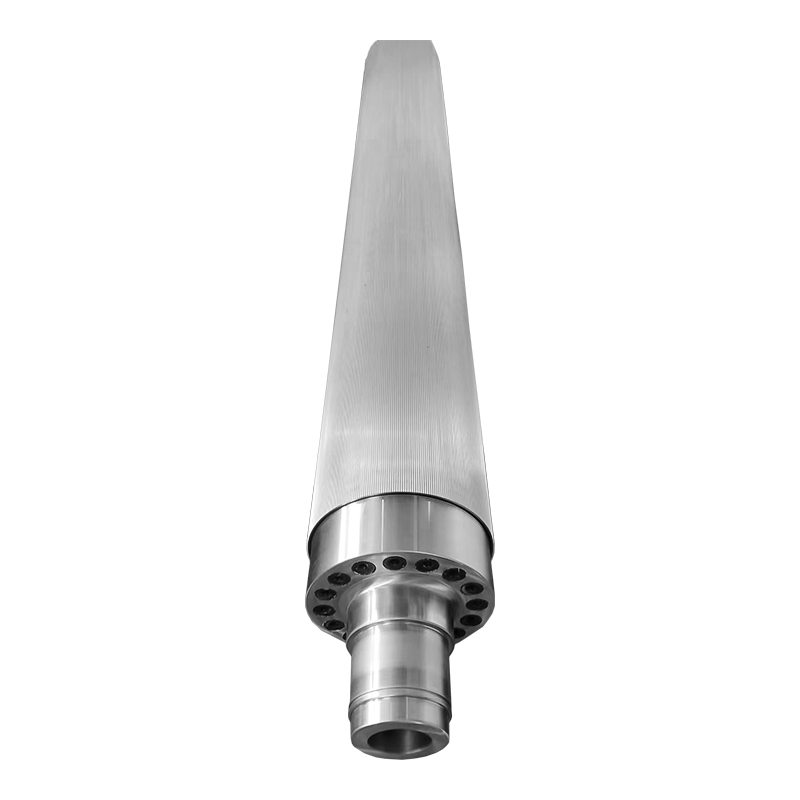
At Yonghui, we work with corrugating roll designs for different corrugator configurations and production requirements. Our approach is to confirm the machine details before discussing a replacement or customized roll solution. A Corrugated Cardboard Combination Roller should be assessed against the actual production line rather than judged by its general appearance or nominal flute type alone.
This guide explains the technical information we recommend checking before purchasing rolls for a new or upgraded corrugated board production line.
1. Confirm the Corrugator Model and Installation Configuration
Corrugating rolls are installed within the single facer, where the fluted medium is shaped before bonding with the liner paper. Although different machines may produce similar board structures, their roll mounting systems and dimensional requirements can vary.
At Yonghui, we recommend confirming the following details before preparing a quotation or manufacturing plan:
- Machine manufacturer and model: Provide the equipment brand, model number, and relevant configuration details.
- Installation arrangement: Confirm whether the machine uses a fixed roll assembly, a cassette system, or another mounting structure.
- Shaft and journal dimensions: Supply the relevant diameters, lengths, and connection details required for installation.
- Bearing positions: Confirm the bearing arrangement and the dimensions that affect roll alignment.
- Existing roll drawings: Share engineering drawings or verified measurements whenever available.
These details help us evaluate the mechanical interface before production begins. A roll that has the correct working width but an incompatible shaft arrangement may still require redesign or additional engineering work.
2. Match Roll Diameter and Effective Working Width
Roll dimensions are essential to compatibility. The overall diameter, effective working width, journal dimensions, and installation space must correspond to the machine's design. Differences in these measurements can affect mounting, operating clearances, and the relationship between the rolls and other components.
Key dimensional checks
- Roll diameter: Confirm the specified diameter and the allowable dimensional range for the machine.
- Effective working width: Check the usable roll face against the paper width and equipment configuration.
- Overall length: Verify the complete assembly length, including the relevant shaft sections.
- Installation clearance: Check the available space around the roll assembly and adjacent equipment.
- Runout and concentricity requirements: Confirm the applicable tolerances for the intended operating conditions.
For reference, corrugating roll products available in the wider market may cover diameters of approximately 200–600 mm and working widths of 1,000–2,800 mm. These are examples of possible product ranges, not universal dimensions for every machine or a specification that applies to every Yonghui order. The actual requirements must be verified against the target equipment.
At Yonghui, we use customer-provided machine information and technical requirements to establish the appropriate dimensional specifications. This helps prevent problems caused by relying on a general catalogue range without checking the installation interface.
3. Verify the Flute Profile Required by Your Products
Mechanical fit is only part of the compatibility assessment. The roll profile must also match the corrugated board structures required by the production line. Different flute profiles have different heights, pitches, and flute counts, which influence board thickness, cushioning characteristics, and paper consumption.
Common flute types include A, B, C, E, and F. Their approximate dimensions can provide an initial reference during technical discussions, but actual profile specifications vary with the design and manufacturing requirements.
| Flute Type | Approximate Flute Height | Typical Application Consideration |
| A flute | 4.5–5.0 mm | Relatively deep fluting for cushioning and structural support |
| C flute | 3.5–4.0 mm | A balance of cushioning, stacking strength, and board thickness |
| B flute | 2.5–3.0 mm | Commonly used for packaging requiring a comparatively compact board structure |
| E flute | 1.1–2.0 mm | Thinner board structures for compact packaging and printed cartons |
| F flute | 0.8–1.0 mm | Fine fluting for applications requiring a thinner packaging structure |
Note: These values are indicative industry reference ranges. The agreed drawing and roll profile specification should govern the final design.
Our technical review considers more than the flute designation. We also need to understand the required flute height, pitch, profile geometry, paper basis weight, and finished board characteristics.
For example, an existing line may produce B-flute board, while a new production program introduces E-flute packaging. Both use corrugating rolls, but the profile geometry is different. Reusing a roll designed for one profile cannot be assumed to produce the other profile correctly.
4. Check Production Speed and Paper Specifications
A production line's operating conditions influence the roll design requirements. A roll intended for one combination of paper grades, machine speed, and heating conditions may not be suitable for another configuration without technical verification.
Before confirming a new roll order, we recommend preparing the following operating information:
- Normal and rated production speed: State the machine's expected operating range and any planned changes to production capacity.
- Paper basis weight: Provide the grammage range of the fluting medium and liner papers used in production.
- Heating arrangement: Describe the heating method and relevant operating conditions.
- Board specifications: Identify the required flute profiles, board combinations, and finished thickness ranges.
- Production schedule: Explain whether the line mainly handles long runs of one specification or frequent changes between different board types.
These details help establish whether the proposed roll configuration matches the intended application. Paper characteristics and operating conditions should be considered together rather than treated as separate purchasing decisions.
At Yonghui, we use the production requirements supplied by our customers to evaluate roll geometry and applicable surface treatment options. The purpose is to align the component specification with the actual operating environment instead of relying on a generic speed or material claim.
5. Evaluate Material, Hardness, and Surface Treatment
Roll material and surface treatment are also relevant to compatibility, especially during a production line upgrade. The selected construction needs to suit the mechanical design, operating conditions, and expected service requirements.
Material and treatment considerations
- Base material: Confirm the specified steel grade and its mechanical properties according to the agreed design.
- Heat treatment: Review the required hardness, hardened-layer depth where applicable, and related inspection criteria.
- Surface coating: Determine whether tungsten carbide, hard chrome, or another specified treatment suits the application.
- Surface finish: Establish the required surface roughness and profile accuracy.
- Inspection records: Agree on the dimensional, hardness, and coating checks relevant to the order.
For example, some corrugating roll specifications use tungsten carbide coatings approximately 0.06–0.08 mm thick. This range is an industry reference rather than a universal requirement. The appropriate coating type and thickness depend on the product design and agreed technical specification.
We recommend confirming these requirements before manufacturing rather than assuming that rolls with similar external dimensions have identical construction or operating characteristics.
6. Review Control Systems and Roll-Change Requirements
Production line compatibility may also involve the way the machine handles roll installation, positioning, and profile changes. A replacement roll needs to work within the mechanical and operational arrangement of the target single facer.
- Fixed or cassette installation: Verify that the roll assembly matches the existing roll-change method.
- Positioning requirements: Confirm the mechanical interfaces and adjustment ranges needed for installation.
- Control parameters: Review relevant pressure, temperature, and operating settings for the intended flute profile.
- Multiple flute configurations: Identify every profile required by the production plan, especially where the line will handle several board specifications.
A machine upgrade may introduce new control functions or a different roll-changing arrangement. Such changes should be reviewed alongside the roll dimensions and profile geometry. Mechanical compatibility alone does not establish that every operating parameter will be suitable for the upgraded line.
7. Prepare a Technical Checklist Before Requesting a Quotation
Accurate information makes it easier for our team to evaluate a project and identify any missing details. We recommend sending Yonghui a consolidated specification package instead of requesting a quotation based only on a flute type or machine width.
- Corrugator and single facer manufacturer, model, and configuration.
- Existing roll drawings, photographs, and verified dimensions.
- Roll diameter, effective working width, overall length, shaft dimensions, and bearing arrangement.
- Required flute type, height, pitch, and profile drawing where available.
- Paper grammage range and finished board specifications.
- Normal operating speed and relevant production conditions.
- Required base material, heat treatment, coating, hardness, and inspection criteria.
- Installation schedule and any planned changes to the production line.
Providing these details allows us to identify technical questions early, clarify the scope of customization, and establish a common basis for quotation and manufacturing. Where drawings or measurements are unavailable, our team can discuss which additional information is needed before confirming the design.
Confirm Compatibility Before the Upgrade
A successful corrugator upgrade depends on the relationship between roll dimensions, flute geometry, mounting interfaces, materials, and operating conditions. A component should not be approved for installation simply because its nominal flute type or external appearance matches the existing roll.
At Yonghui, we assess corrugating roll requirements against the machine configuration and the customer's intended production specifications. Our work covers roll design and manufacturing requirements for different corrugated board applications, with technical details confirmed according to each project.
Planning a new production line or replacing rolls during an equipment upgrade? Contact Yonghui and provide your machine model, roll drawings, flute profile, and operating parameters. We can review the information with you and discuss a suitable corrugating roll configuration before the order is finalized.