
 English
 Español
 Português
 عربى

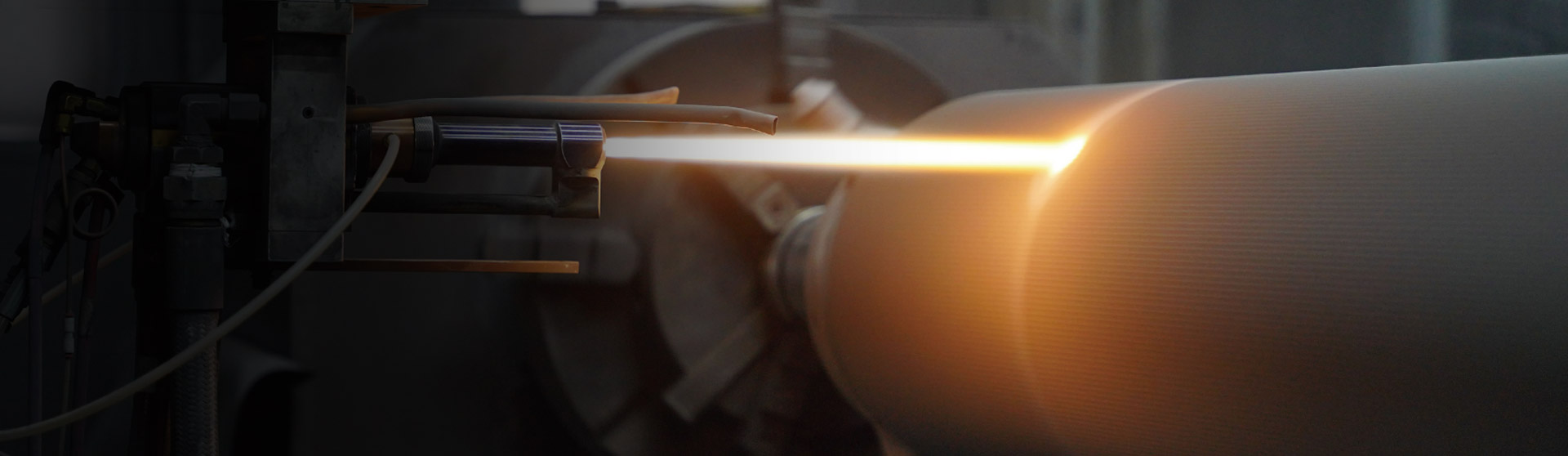

Roll wear is an unavoidable maintenance concern in corrugated board manufacturing. Continuous operation, paper friction, heat exposure, and mechanical pressure gradually affect roller surfaces and flute geometry. For production managers, the decision is not simply about repairing an old component or purchasing a new one. It involves maintenance budgets, production schedules, board quality, and the expected operating life of the equipment.
At Yonghui, we understand that every corrugated plant has different equipment conditions and production targets. A corrugated sheet roller should be evaluated according to its actual condition rather than replaced according to an arbitrary service period. Understanding the differences between refurbishment and replacement helps buyers establish a more practical maintenance strategy.
1. Identify the Actual Condition of the Existing Roller
Before deciding on a maintenance solution, plant operators need to understand how much wear has developed and whether the roller can still meet production requirements.
Several inspection points deserve attention:
- Flute profile wear: Changes in flute height, pitch, or tooth geometry may affect paper forming and finished board consistency.
- Surface coating damage: Scratches, peeling, corrosion, or localized coating loss can influence surface protection and operating stability.
- Roll diameter: Repeated grinding or previous maintenance may reduce the available working diameter.
- Journal and shaft condition: Cracks, deformation, or bearing-seat damage require mechanical assessment.
- Operating vibration: Abnormal vibration may indicate imbalance, alignment problems, or bearing-related issues.
Inspection records, dimensional measurements, and production feedback provide a useful basis for determining the next step. Replacing a roller without identifying the underlying problem may not resolve recurring production difficulties.
2. Refurbishment: Extending the Service Life of Existing Equipment
Refurbishment can be considered where the roller's core structure remains suitable for further use and its working condition can be restored within the required technical specifications.
Depending on the roller design and damage level, professional refurbishment may involve:
- Surface cleaning: Remove accumulated paper residue, adhesive deposits, and other contaminants before inspection.
- Profile inspection: Measure flute geometry and identify areas affected by wear or deformation.
- Grinding and finishing: Restore applicable surface dimensions and finish according to the approved repair plan.
- Coating restoration: Reapply or repair protective surface treatments where the existing structure allows this work.
- Dynamic balancing: Check rotational balance after the relevant repair operations.
The financial appeal of refurbishment comes from retaining an existing roller body instead of purchasing an entirely new assembly. However, buyers should request a clear inspection report and confirm the remaining dimensional allowance before approving the work.
3. Replacement: Addressing Structural and Performance Limitations
Some rollers have reached a condition where refurbishment is no longer a reasonable option. Extensive structural damage, insufficient remaining diameter, severe profile deformation, or repeated maintenance problems may justify a new roller.
Replacement also deserves consideration during production line upgrades. A plant introducing different flute profiles, higher operating speeds, or lightweight paper grades may require a roller with updated design specifications.
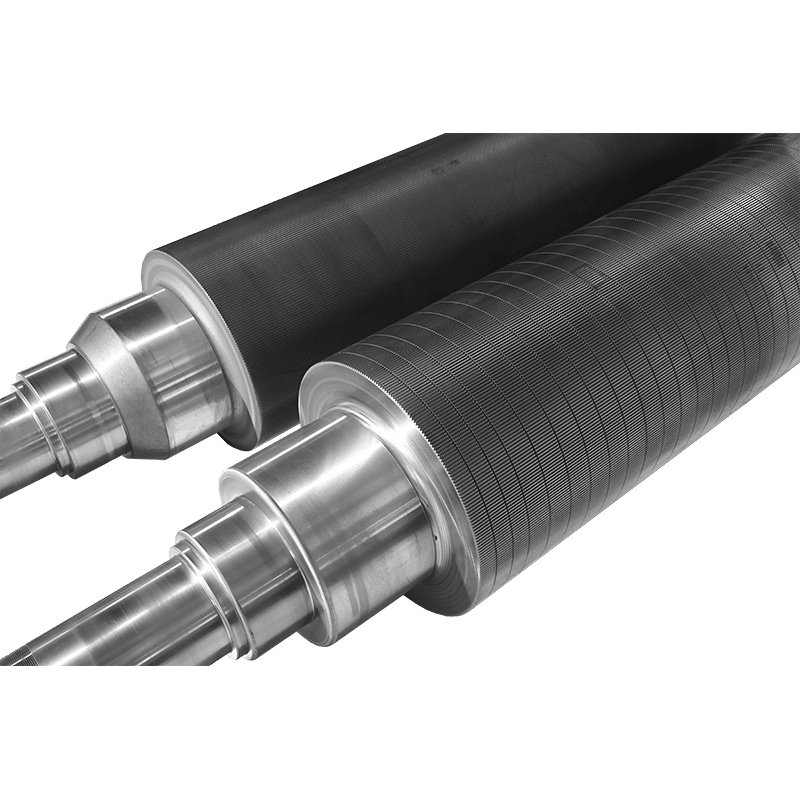
At Yonghui, our manufacturing process uses 50CrMoA precision-forged alloy steel, composite heat treatment, and tungsten carbide surface coating options. Relevant specifications include surface hardness of HRC 60 or above and coating hardness of HV 1200–1500. These technical details can be discussed according to the intended machine configuration and production requirements.
4. Compare the Total Cost Rather Than the Initial Quotation
Refurbishment usually involves a lower initial expenditure, but the total maintenance cost depends on the roller's condition and expected remaining service life. A new roller requires a higher initial investment, yet may provide a more suitable long-term solution for demanding production conditions.
| Evaluation Factor | Refurbishment | Replacement |
| Initial expenditure | Generally lower | Generally higher |
| Existing roller body | Retained where suitable | Replaced with a new assembly |
| Profile adjustment | Limited by existing dimensions | Allows a new profile specification |
| Structural damage | May restrict repair feasibility | Addresses damage through replacement |
| Production planning | Depends on inspection and repair arrangements | Depends on manufacturing and installation arrangements |
Plant managers should also include transportation, installation, inspection, production interruption, and future maintenance expenses in their calculations. A lower repair quotation does not automatically represent a lower lifecycle cost.
5. Plan Maintenance Around Production Schedules
Unplanned roller maintenance can interrupt production and affect delivery commitments. A practical maintenance plan should connect inspection findings with available shutdown periods and spare roller arrangements.
- Maintain records of roller operating hours or accumulated production meters.
- Monitor changes in board quality, flute formation, and machine vibration.
- Arrange technical inspections during planned maintenance windows.
- Confirm repair scope, transportation arrangements, and inspection requirements before sending rollers for service.
- Consider spare roller availability for production lines with demanding schedules.
At Yonghui, we encourage customers to share their machine models, roller drawings, operating speeds, and maintenance records during technical discussions. These details help establish the requirements for a replacement roller and clarify which specifications should be retained or modified.
6. What Should Buyers Confirm with a Roller Supplier?
Before approving a refurbishment or replacement project, buyers should establish clear technical and commercial requirements.
- What inspection methods will be used to evaluate the existing roller?
- Which dimensional tolerances and flute specifications must be maintained?
- Can the existing roller body withstand another maintenance cycle?
- What material, heat treatment, and coating specifications apply to a replacement?
- Will the supplier provide dimensional inspection records and relevant quality documentation?
- What technical assistance is available during installation and subsequent operation?
Clear answers help purchasing teams compare quotations based on actual technical requirements instead of price alone.
Make a Maintenance Decision Based on Actual Roller Conditions
Refurbishment and replacement serve different purposes in corrugated board production. Refurbishment may extend the usable life of a roller with a suitable structural condition, while replacement provides an opportunity to address serious wear or introduce updated manufacturing specifications.
At Zhejiang Yonghui Corrugated Roller Co., Ltd., we focus on corrugating roller research, design, and manufacturing. Our experience with alloy steel materials, composite heat treatment, tungsten carbide coating, and flute profile optimization supports technical discussions with corrugated packaging manufacturers.
Planning a roller maintenance project or considering a new replacement assembly? Contact Yonghui with your existing roller dimensions, machine model, flute profile, and production requirements. Our team can discuss the relevant technical specifications and help you evaluate a suitable purchasing direction for your corrugated plant.