
 English
  Español
  Português
  عربى
عربى 
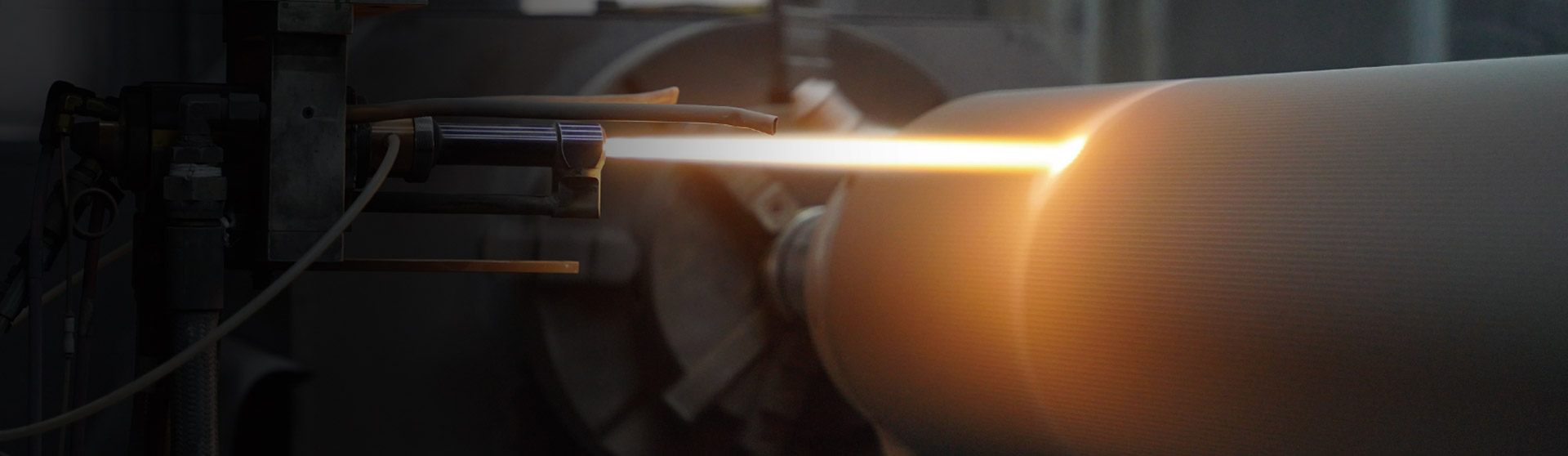

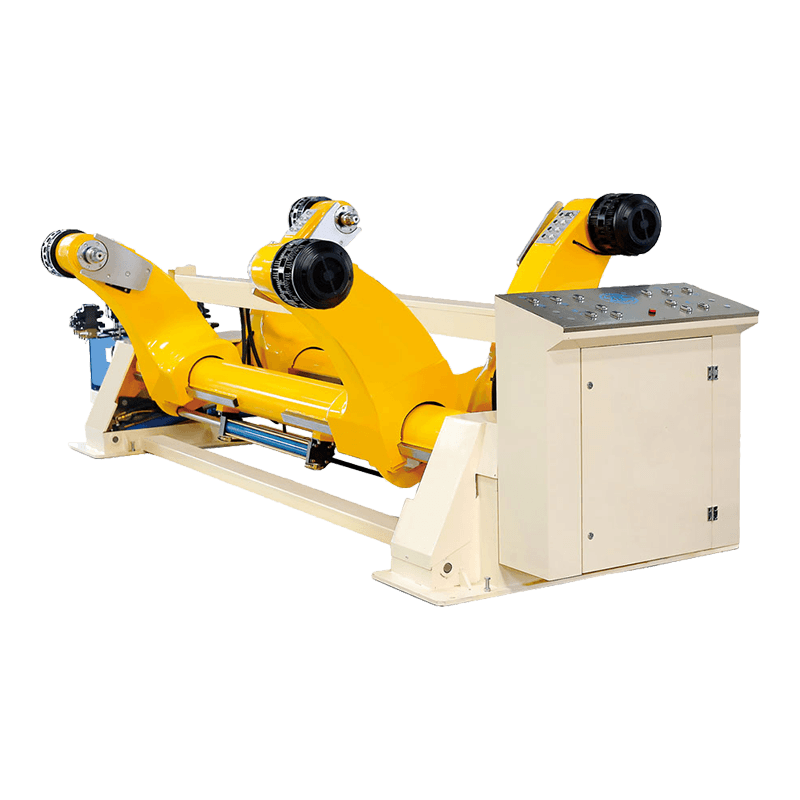
Mill roll stands are critical components in metal processing and manufacturing industries. They support, guide, and rotate rolls of metal during processes such as rolling, cutting, or finishing. For companies considering heavy-duty operations, understanding whether Mill Roll Stand equipment can handle high loads and demanding conditions is essential.
Structural Design and Load Capacity
The suitability of a Mill Roll Stand for heavy-duty operations largely depends on its structural design. These stands are engineered to support large rolls of metal, often weighing several tons. Robust frames, reinforced bases, and precision bearings ensure that the stand can handle both static and dynamic loads during operation.
Manufacturers design stands with calculated tolerances and load ratings, which indicate the weight they can support. Choosing a mill roll stand with adequate capacity is crucial to prevent deformation, misalignment, or operational failure under heavy-duty conditions.
Bearing and Roller Mechanisms
Bearings and rollers are essential to the smooth operation of a mill roll stand. High-quality bearings reduce friction, distribute loads evenly, and improve rotational efficiency. In heavy-duty operations, the choice of bearings becomes even more critical, as they must withstand high torque and repeated stress cycles.
A reliable Mill Roll Stand typically includes precision-machined rollers that maintain consistent contact with the metal roll. This ensures uniform movement, reduces vibration, and minimizes wear on both the stand and the roll itself, which is particularly important in continuous or high-speed processes.
Material Selection and Durability
Materials used in constructing a mill roll stand significantly affect its durability. Steel alloys, reinforced castings, and treated surfaces provide the strength needed for heavy-duty operations. Mill Roll Stand manufacturers often apply surface treatments such as hardening or coating to enhance resistance to abrasion, corrosion, and mechanical stress.
Durable materials extend the service life of the stand and reduce maintenance frequency, which is critical in high-volume industrial settings where downtime can be costly.
Operational Stability and Safety
Heavy-duty operations require stability and safety. A well-designed Mill Roll Stand should include features that prevent tipping, misalignment, or uncontrolled roll movement. Wide bases, secure mounting points, and vibration-dampening components help maintain operational stability even when handling large or heavy rolls.
Safety mechanisms such as locking systems, emergency stops, and load sensors can further protect both operators and equipment. These considerations are particularly relevant in mills where high-speed rolling or heavy loads are common.
Maintenance and Longevity
Regular maintenance is essential to ensure a Mill Roll Stand continues to perform reliably in heavy-duty conditions. Lubricating bearings, inspecting rollers for wear, and checking frame integrity are standard practices. Stands designed for heavy-duty use often include accessible maintenance points to simplify these tasks and reduce downtime.
By selecting a mill roll stand designed for demanding applications, operators can achieve consistent performance while minimizing the risk of unexpected failures or costly repairs.
Mill roll stands can be suitable for heavy-duty operations when properly selected and maintained. Factors such as structural design, load capacity, bearing quality, material strength, and operational stability all influence performance under demanding conditions. Choosing a Mill Roll Stand from a manufacturer that provides clear specifications, robust construction, and maintenance guidance ensures reliable operation, safety, and durability. For industrial applications requiring high load handling and continuous operation, these stands offer an effective solution for supporting and guiding metal rolls efficiently.