
 English
  Español
  Português
  عربى
عربى 

The packaging industry is experiencing continuous changes as brands demand stronger, lighter, and more attractive corrugated boxes. Behind these improvements, the performance of corrugation equipment components has become increasingly important. Among these components, the corrugated roller plays a key role in forming flute structures, controlling board thickness, and maintaining consistent paper quality during production. A well-designed roller system can influence the appearance, strength, and reliability of finished packaging products.
Modern packaging manufacturers are paying closer attention to roller design rather than focusing only on machine speed. Advanced flute geometry, improved alloy materials, and precision surface treatments are creating new possibilities for corrugated board production. This trend is also changing the expectations placed on every corrugated roller Manufacturer, as customers now require more detailed technical solutions instead of standard replacement parts.
Precision Flute Design Shapes Modern Packaging Performance
The flute profile of a corrugated roller directly affects the structure of corrugated board. Different flute designs provide different combinations of cushioning, compression strength, and material usage. A, B, C, E, F, and G flute profiles are commonly used for different packaging applications, ranging from heavy-duty shipping boxes to premium retail packaging.
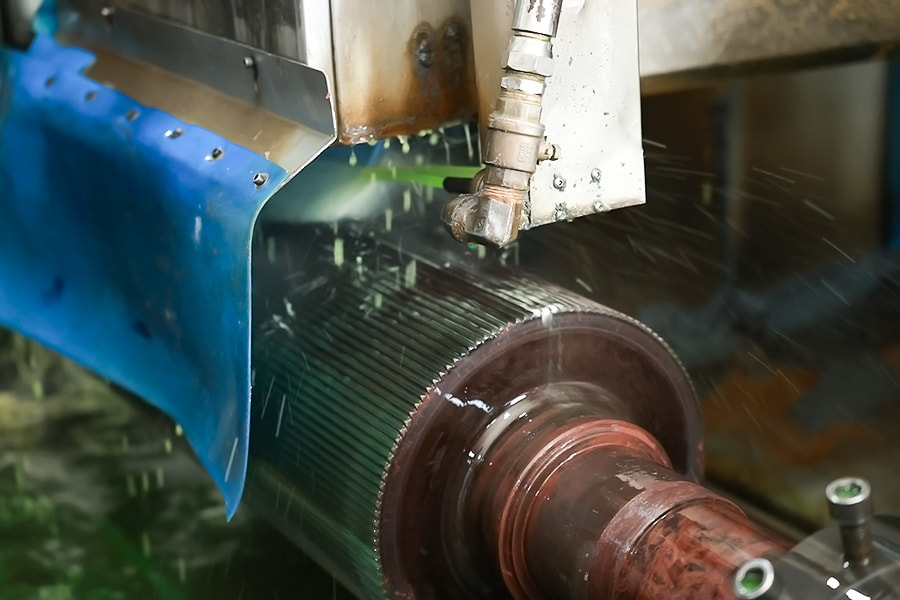
Advanced roller production focuses on maintaining accurate flute height, pitch, and tooth shape. Small variations in flute geometry may create uneven paper contact, inconsistent bonding, or changes in board thickness. Precision machining allows manufacturers to maintain stable flute dimensions and improve the overall appearance of finished cartons.
- Flute height control: Accurate flute height helps maintain uniform board thickness and structural performance.
- Pitch consistency: Stable flute spacing supports smoother paper feeding and better forming results.
- Profile customization: Different flute designs can match packaging requirements such as protection, printing quality, and weight reduction.
Material Innovation Improves Corrugated Roller Capability
Material selection has become a major factor in modern corrugated roller development. Many high-performance rollers use 50CrMo precision forged alloy steel because this material provides strong mechanical properties and supports long-term operation under repeated pressure conditions.
During corrugating production, rollers experience continuous contact with paper materials, heat, and mechanical stress. A strong base material helps maintain dimensional stability, while advanced heat treatment processes improve surface hardness.
Typical technical specifications of industrial corrugated rollers may include:
- Material: 50CrMo precision forged alloy steel.
- Surface hardness: More than HRC58 after heat treatment.
- Hardening depth: Approximately 8-12mm depending on design requirements.
- Available flute types: A, B, C, E, F, G, N and customized profiles.
Hard Surface Technology Supports Stable Board Formation
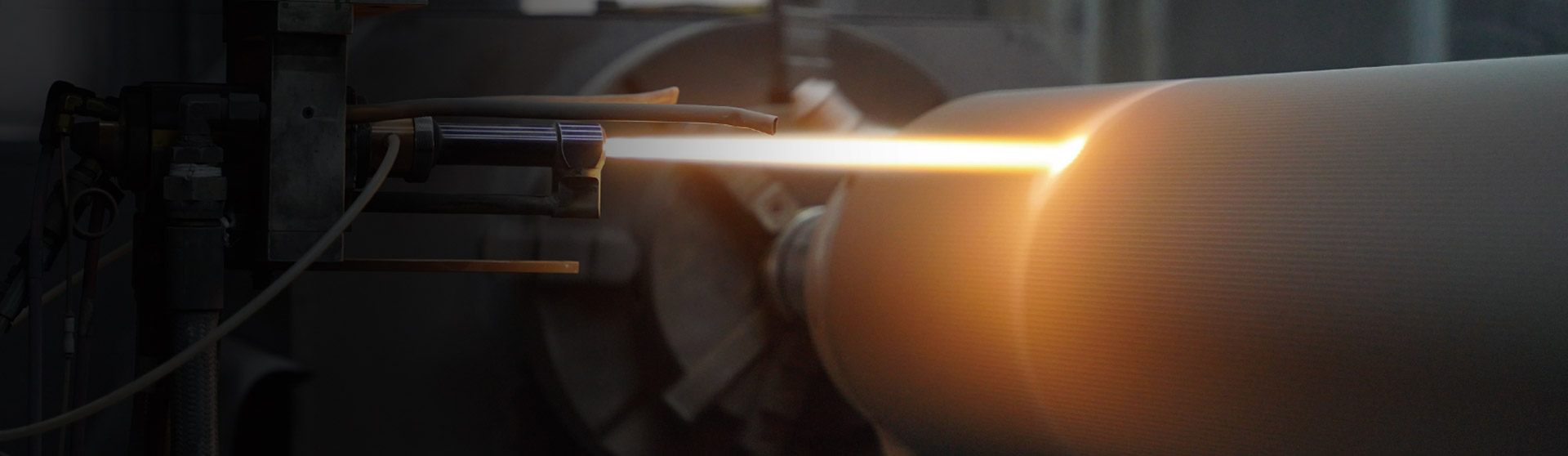
Surface treatment technology is another area influencing corrugated roller performance. Hard chrome plating is widely applied because it creates a smooth surface layer that reduces friction and improves resistance against repeated contact during production.
A hard chrome plated corrugating roller commonly features a coating thickness around 0.06-0.08mm. This surface layer works together with the hardened steel core to maintain flute accuracy and reduce surface damage caused by continuous operation.
Improved surface technology also helps manufacturers produce cartons with more stable flute structures. This is especially valuable for industries requiring accurate packaging dimensions, such as electronics, food delivery, consumer goods, and e-commerce products.
Packaging Trends Increase Demand for High Accuracy Rollers
The development of lightweight packaging has created new requirements for corrugating equipment. Many companies are reducing paper consumption while still expecting strong box performance. This requires precise control over flute formation because thinner materials have less tolerance for production variation.
Modern corrugated rollers support these changes by providing accurate forming conditions. A precise roller surface helps maintain the relationship between paper layers, adhesive application, and compression forces. As packaging designs become more customized, roller accuracy becomes an important factor in achieving consistent results.
- E-commerce packaging: Requires reliable box strength with attractive appearance.
- Retail packaging: Needs accurate flute structures for better printing surfaces.
- Industrial packaging: Depends on stable compression performance for transportation safety.
Digital Manufacturing Brings Higher Roller Expectations
As corrugated production lines become more automated, component accuracy has become increasingly important. Modern equipment uses advanced measurement systems to inspect flute dimensions, surface conditions, and machining precision before rollers are installed.
A professional corrugated roller Manufacturer needs to consider multiple technical factors, including roller diameter, working width, flute profile, surface hardness, and compatibility with different corrugator machines. These details help ensure that rollers match production requirements rather than simply replacing existing parts.
Quality inspection methods may include profile measurement, hardness testing, dynamic balance checking, and simulated paper feeding tests. These procedures help identify possible issues before rollers enter production environments.
Corrugated Rollers Are Becoming a Key Element of Packaging Development
The role of corrugated rollers is expanding beyond basic paper forming. They are becoming an important technology component that supports packaging innovation, material optimization, and product appearance improvements. From precision flute machining to advanced surface treatments, every technical improvement contributes to more stable corrugated board production.
As packaging markets continue to evolve, companies are expected to pay greater attention to the engineering quality of corrugation components. Modern corrugated rollers are not only production tools but also a foundation for creating reliable and competitive packaging solutions.