
 English
 Español
 Português
 عربى


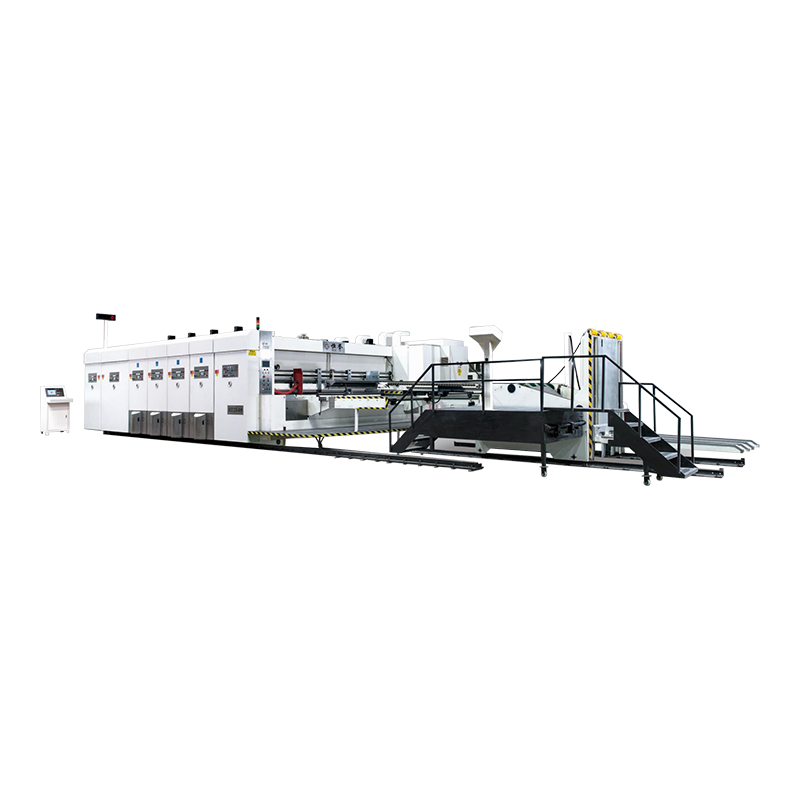
Investing in carton manufacturing equipment involves more than comparing machine prices and advertised production speeds. Factory owners need to consider their product range, daily output, available workshop space, raw material supply, and future production plans. An incomplete purchasing brief can result in unsuitable equipment configurations, unexpected installation expenses, or difficulties coordinating different production stages.
At Yonghui, we work with corrugated packaging manufacturers on production equipment and roller solutions. We believe that a clear project plan helps customers communicate their requirements and evaluate machinery proposals more effectively. Before purchasing a carton box production line, buyers should prepare the following information.
1. Define Your Product Range and Production Targets
Equipment configuration should reflect the cartons a factory intends to manufacture. Different box dimensions, board structures, and order volumes can require different processing arrangements.
Buyers should prepare a product specification sheet covering:
- Box dimensions: Record the length, width, and height ranges of the cartons required by customers.
- Board structures: Identify single-wall, double-wall, or other corrugated constructions.
- Flute types: Confirm the required A, B, C, E, or combined flute profiles.
- Printing requirements: Clarify the number of colors, printing methods, and artwork complexity.
- Order quantities: Estimate average daily output, peak demand, and the proportion of small-batch orders.
Production capacity should be calculated using realistic operating conditions rather than relying entirely on the rated machine speed. Product changes, paper preparation, maintenance stops, and operator availability all influence actual output.
2. Decide Between a Complete Corrugating Line and Converting Equipment
Not every carton factory needs to manufacture corrugated board from raw paper reels. Some businesses purchase finished corrugated sheets and focus on printing, slotting, die-cutting, folding, and gluing. Others prefer an integrated production arrangement to manage board manufacturing internally.
These two approaches involve different investment requirements.
- Integrated production: Includes corrugating equipment, paper reel handling, heating and gluing sections, cutting systems, and downstream converting machinery.
- Sheet converting: Uses purchased corrugated sheets and concentrates investment on printing, cutting, folding, and finishing operations.
Buyers should compare local sheet availability, paper purchasing costs, production volume, storage capacity, and the level of control required over board specifications. This assessment helps establish whether an integrated line is financially and operationally justified.
3. Prepare Factory Layout and Infrastructure Information
Workshop conditions directly affect machinery installation and production arrangements. Before requesting a quotation, buyers should prepare a dimensioned factory layout rather than providing only the total building area.
Important details include:
- Available floor length, width, and ceiling height.
- Floor loading capacity and foundation requirements.
- Locations of electrical connections and distribution panels.
- Steam, compressed air, ventilation, and other utility arrangements.
- Raw paper storage, finished board storage, and forklift access.
- Space for maintenance, spare parts, and quality inspection.
Steam supply deserves particular attention for integrated corrugating operations because heating requirements depend on the selected equipment configuration. Electrical capacity and compressed-air requirements should also be confirmed against the proposed machinery specifications.
4. Establish a Realistic Investment Budget
The machinery quotation represents only part of the total project expenditure. Factory owners should calculate the additional costs associated with preparing the site and maintaining production after installation.
A practical investment plan should include:
- Equipment purchase: Main production machinery, auxiliary units, and optional automation systems.
- Installation: Foundations, electrical work, equipment positioning, and commissioning.
- Raw materials: Paper reels, starch adhesive, inks, and other production consumables.
- Operating expenses: Electricity, fuel, labor, maintenance, and workshop management.
- Spare parts: Frequently replaced components and recommended maintenance inventory.
We recommend comparing supplier quotations according to their complete scope of supply. Two proposals with similar prices may include different auxiliary equipment, installation services, training arrangements, or spare-part packages.
5. Check Roller Specifications and Board Quality Requirements
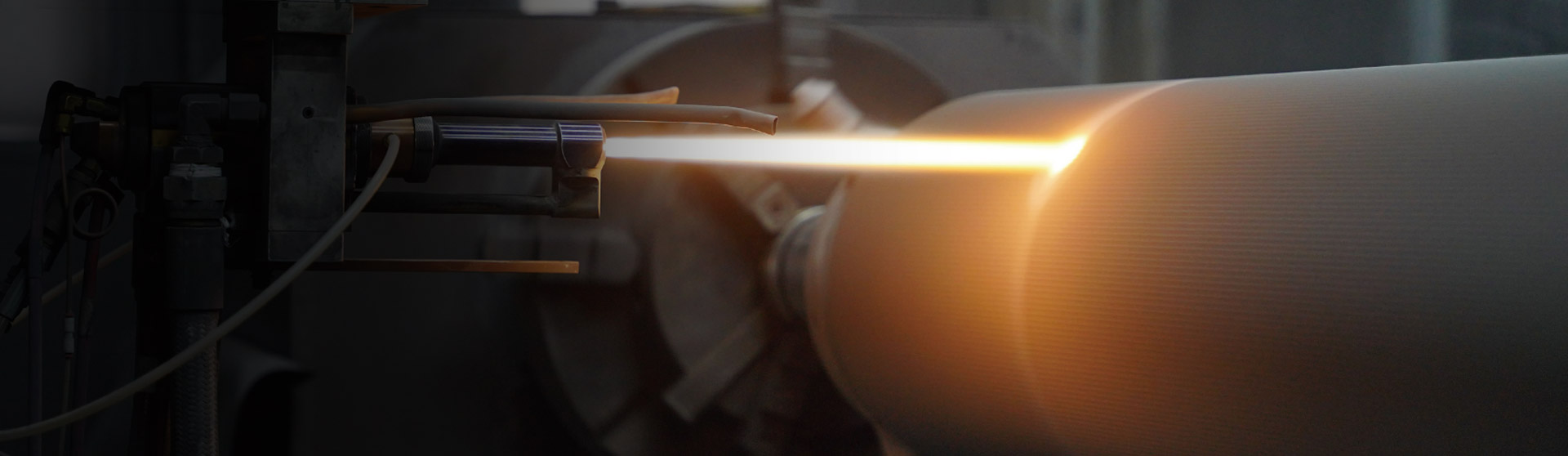
Corrugating rollers are important components within an integrated corrugated board production line. Their flute profiles, surface condition, dimensional accuracy, and wear resistance influence the paper-forming process and the consistency of the finished board.
Buyers should clarify several technical requirements during equipment discussions:
- Required flute profiles and corresponding roller configurations.
- Roller working width and diameter.
- Base material and heat treatment requirements.
- Surface hardness and coating options.
- Expected production speed and paper specifications.
At Yonghui, we manufacture corrugating rollers using alloy steel materials and precision processing technology. Our technical discussions cover flute profile requirements, surface treatments, and compatibility with different corrugator configurations. These details help customers evaluate roller specifications as part of their wider production planning.
6. Evaluate Supplier Support Beyond Equipment Delivery
Machinery procurement also involves technical communication, installation coordination, operator training, and maintenance planning. Buyers should understand which services are included in the supplier's quotation and which require separate arrangements.
Before signing a contract, consider asking the following questions:
- Does the supplier provide installation drawings and technical documentation?
- Are commissioning guidance and operator training included?
- Can the supplier provide replacement parts and maintenance assistance?
- Are production testing and acceptance standards clearly defined?
- How are technical questions handled after equipment delivery?
Buyers should also request references from installations with comparable production requirements. This makes it easier to assess whether the proposed configuration suits the intended factory environment.
7. Prepare a Complete Inquiry Before Requesting Quotations
A structured inquiry helps suppliers understand the project without repeatedly requesting missing information. We suggest preparing the following documents before contacting equipment manufacturers:
- Product samples, carton drawings, and board specifications.
- Estimated daily and annual production volumes.
- Required flute types, working widths, and machine speeds.
- Factory layout and available utility information.
- Preferred automation level and production workflow.
- Investment budget and expected project schedule.
- Installation, training, warranty, and after-sales service expectations.
With these details available, buyers can compare technical proposals using consistent requirements and identify potential differences in equipment scope, production capacity, and service arrangements.
Plan Your Carton Manufacturing Investment with Yonghui
A successful carton factory investment begins with a clear understanding of production requirements and available resources. Product specifications, factory infrastructure, machinery configuration, roller performance, and supplier support should all be considered before placing an equipment order.
At Zhejiang Yonghui Corrugated Roller Co., Ltd., we focus on corrugating roller manufacturing, technical development, and customized roller solutions for corrugated board production applications. Our team can discuss flute profiles, equipment compatibility, material specifications, and roller requirements with customers planning new production facilities or upgrading existing lines.
Preparing to establish or expand a carton manufacturing facility? Share your production targets, machine configuration, factory layout, and roller requirements with Yonghui. We can review the relevant technical details and help you clarify the roller specifications needed for your corrugated production project.