
 English
 Español
 Português
 عربى


Receiving production equipment does not mean a new manufacturing project is ready to operate. A corrugated production line still requires installation coordination, mechanical inspection, electrical commissioning, process adjustment, and operator training before regular production can begin. Delays during these stages may affect factory opening plans, customer orders, and investment returns.
At Yonghui, we understand that successful equipment integration depends on both machinery quality and effective technical coordination. As a manufacturer specializing in corrugating rollers, we work with customers on roller specifications, equipment compatibility, and production-related technical requirements. Buyers should evaluate commissioning services as part of the equipment purchasing agreement rather than treating them as optional assistance after delivery.
1. Pre-Installation Planning Helps Prevent Site Delays
Installation preparation should begin before machinery arrives at the factory. Missing foundations, incomplete electrical connections, or inadequate workshop access can interrupt the installation schedule.
Buyers should confirm the following arrangements with their equipment suppliers:
- Factory layout: Verify equipment positions, maintenance access, material transportation routes, and installation clearances.
- Foundation preparation: Complete concrete foundations, anchor positions, and floor-level checks according to approved drawings.
- Utility connections: Prepare electrical power, compressed air, steam supply, drainage, and ventilation where required.
- Installation resources: Arrange lifting equipment, qualified electricians, mechanical technicians, and sufficient working space.
- Material preparation: Ensure that paper reels, adhesive materials, and other production consumables are available for commissioning.
A written pre-installation checklist helps both parties identify incomplete work before the installation team arrives.
2. Mechanical Installation Requires Accurate Alignment
Mechanical installation establishes the physical foundation for stable corrugated board production. Equipment sections must be positioned and connected according to the manufacturer's technical drawings.
Important inspection points include:
- Machine leveling and foundation stability.
- Roller alignment, bearing installation, and shaft positioning.
- Transmission components, drive connections, and lubrication systems.
- Conveyor connections and material transfer arrangements.
- Safety guards, emergency stops, and maintenance access.
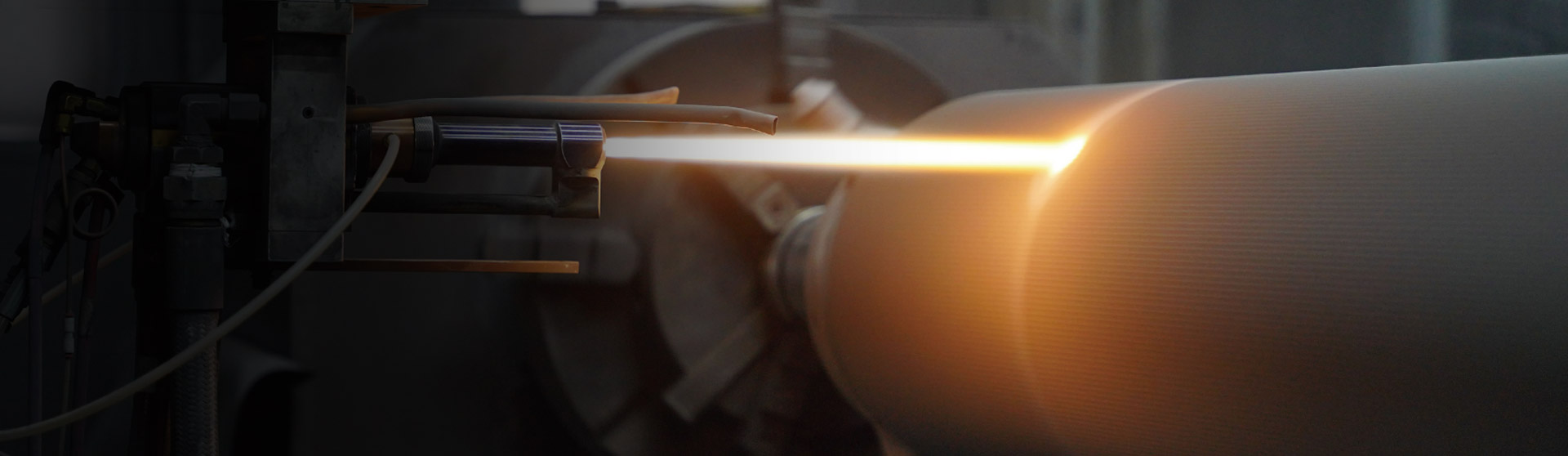
Roller installation deserves particular attention because alignment and contact conditions influence the paper-forming process. At Yonghui, our corrugating roller manufacturing work covers precision machining, flute profile processing, heat treatment, and surface finishing. Buyers should confirm roller dimensions and installation interfaces against the approved equipment drawings before assembly.
3. Electrical Commissioning and Control System Verification
Electrical commissioning connects individual machine sections and verifies whether the control system can coordinate their operation. Problems involving wiring, sensors, motors, or communication signals may prevent the production line from operating as planned.
A structured commissioning procedure should cover:
- Electrical inspection: Check wiring connections, grounding, protection devices, and control cabinet arrangements.
- Motor testing: Verify motor rotation, drive settings, and operating responses.
- Sensor calibration: Check detection devices and relevant feedback signals.
- Control integration: Test communication between connected production sections and operating interfaces.
- Safety verification: Test emergency stops, interlocks, and protective functions.
Electrical and mechanical checks should be completed before full-speed production trials. This sequence helps technicians identify installation issues without introducing unnecessary material waste.
4. Trial Production Should Follow Measurable Acceptance Criteria
Machine movement alone does not demonstrate production readiness. A proper commissioning plan should include trial runs using the paper grades and board specifications intended for regular manufacturing.
Buyers should agree on measurable acceptance indicators before installation begins, including:
- Operating speed under specified production conditions.
- Board thickness and dimensional consistency.
- Bonding quality between liner and corrugated medium.
- Flute formation and board flatness.
- Startup waste and production stability.
- Performance of cutting, stacking, and other connected sections.
Test conditions should identify the paper grammage, flute configuration, adhesive preparation, and relevant machine settings. This makes the results easier to evaluate and provides a reference for future production adjustments.
5. Operator Training and Maintenance Guidance
Even a successfully installed machine requires trained personnel to maintain consistent production. Training should cover practical operating procedures rather than focusing only on control panel functions.
We recommend confirming that the commissioning package includes:
- Machine startup and shutdown procedures.
- Operating parameter adjustments and product changeovers.
- Daily cleaning, lubrication, and preventive maintenance.
- Common fault identification and troubleshooting.
- Safety procedures and emergency response.
Training should involve operators, maintenance technicians, and production supervisors. Written manuals, maintenance schedules, and spare-parts lists also help factory teams manage equipment after the commissioning engineers leave.
6. Define Service Responsibilities and Project Milestones
Commissioning delays sometimes occur because responsibilities are unclear. Equipment suppliers, installation contractors, utility providers, and factory personnel may all participate in the same project.
Before signing an equipment contract, buyers should clarify:
- The scope of installation supervision and on-site engineering services.
- The expected duration and sequence of commissioning activities.
- Responsibilities for electrical connections and auxiliary equipment.
- Technical support arrangements for unexpected installation issues.
- Acceptance procedures, documentation, and handover requirements.
Each milestone should have a responsible party and a clear completion condition. This approach makes project progress easier to monitor and reduces confusion during equipment handover.
Keep Your Corrugated Production Project Moving with Yonghui
A successful commissioning process connects installation accuracy, electrical coordination, trial production, and operator readiness. Equipment delivery is only one stage of the project; actual production readiness depends on how effectively these activities are planned and completed.
At Zhejiang Yonghui Corrugated Roller Co., Ltd., we provide corrugating roller manufacturing and technical support related to flute profiles, roller specifications, and equipment compatibility. Our team understands the importance of matching roller requirements with the operating conditions of corrugated board manufacturing equipment.
Planning a new corrugator installation or upgrading an existing production facility? Contact Yonghui with your machine configuration, roller dimensions, flute requirements, and project schedule. We can discuss the relevant technical specifications and help clarify roller-related requirements before your production line enters operation.