
 English
 Español
 Português
 عربى


Buying corrugated cardboard production equipment involves more than comparing quotations and delivery schedules. Buyers also need to verify a manufacturer's legal identity, production capabilities, quality management procedures, and ability to provide technical support. At Yonghui, we believe that reviewing documented evidence before placing an order helps establish clear expectations and supports better purchasing decisions.
A cardboard manufacturing company should be able to explain its equipment configuration, manufacturing scope, inspection procedures, and project documentation. The following checklist outlines the records buyers can request before approving a supplier.
1. Business Registration and Factory Information
Begin the audit by confirming the supplier's legal identity and actual manufacturing location. These records help establish whether the contracting company matches the business responsible for producing the equipment.
- Business registration documents: Verify the registered company name, business scope, and current registration status.
- Factory address: Confirm the location where the quoted equipment is manufactured or assembled.
- Company profile: Request an overview of manufacturing activities, product categories, and relevant experience.
- Outsourcing information: Clarify which production processes are completed internally and which are assigned to external partners.
These details provide a starting point for comparing the supplier's stated capabilities with the actual scope of the project.
2. Equipment Lists and Production Capability Records
Production capability should be supported by identifiable equipment and technical information rather than general statements. Buyers evaluating a corrugated cardboard production line should request documents that describe the proposed configuration and its operating parameters.
- Equipment list: Request machine models, quantities, working widths, and relevant technical specifications.
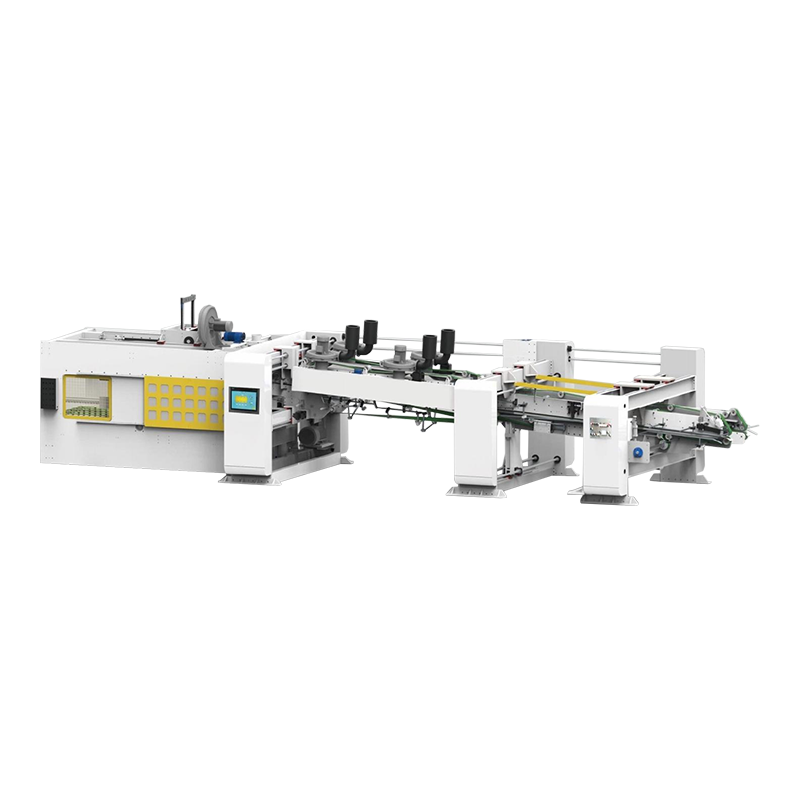
- Production process diagram: Review the arrangement of the corrugator, single facer, slitting and scoring equipment, cutting section, and stacking system, as applicable.
- Capacity information: Ask for rated speed, applicable paper widths, and stated production conditions.
- Technical drawings: Confirm equipment dimensions, installation requirements, and utility connections where relevant.
At Yonghui, we recommend comparing published specifications with the buyer's intended board types, production volume, and factory layout. Rated machine speed should not automatically be treated as the sustained output under every operating condition.
3. Quality Management and Inspection Documents
Quality records help buyers understand how a manufacturer controls production and handles deviations. Request examples of the procedures and inspection reports relevant to the equipment or products covered by the agreement.
- Quality management certificate: Request an ISO 9001 certificate if the supplier claims certification, then verify its validity, certified entity, site, and scope.
- Inspection procedures: Review incoming material, in-process inspection, and final inspection requirements.
- Test records: Request relevant equipment test reports or product inspection results from comparable projects.
- Nonconformance records: Ask how defects are recorded, investigated, corrected, and prevented from recurring.
A certificate indicates that a management system falls within a defined certification scope; it does not independently guarantee the performance of every machine or production batch. Buyers should review actual inspection evidence alongside certificates.
4. Technical Support and Project Delivery Documents
Documentation should also explain how the supplier will support the project after the purchase order is confirmed. Clear responsibilities reduce uncertainty during installation, commissioning, and operator training.
- Installation requirements: Request foundation drawings, electrical specifications, and utility requirements where applicable.
- Operation manuals: Confirm whether operating instructions, safety guidance, and maintenance schedules will be supplied.
- Warranty terms: Review the coverage period, exclusions, claim process, and responsibilities of each party.
- Training and service arrangements: Clarify available commissioning support, operator training, spare parts, and technical assistance.
- Delivery documentation: Confirm the agreed shipment schedule, packing records, and acceptance requirements.
5. Verify Documents Against the Purchase Agreement
Receiving documents is only part of the audit. Buyers should check whether the information matches the quotation, technical agreement, and final purchase order.
- Check that company names and manufacturing locations are consistent across relevant records.
- Compare equipment models and specifications with the approved quotation.
- Verify certificate status through the issuing organization or official certification database where available.
- Record any missing documents and agree on submission deadlines before production or shipment.
- Define inspection criteria and acceptance procedures in writing.
Build a Clear Supplier Evaluation Process with Yonghui
A structured manufacturer audit helps buyers assess production capability, quality controls, and project support using verifiable information. Business registration, equipment specifications, inspection records, and service commitments each answer different procurement questions, so they should be reviewed together.
At Yonghui, we encourage customers to clarify their production requirements and technical expectations before finalizing an equipment configuration. Visit our website to learn more about our corrugating equipment solutions and discuss the documentation relevant to your project. A clear technical scope and agreed verification process provide a practical foundation for cooperation.