
 English
  Español
  Português
  عربى
عربى 
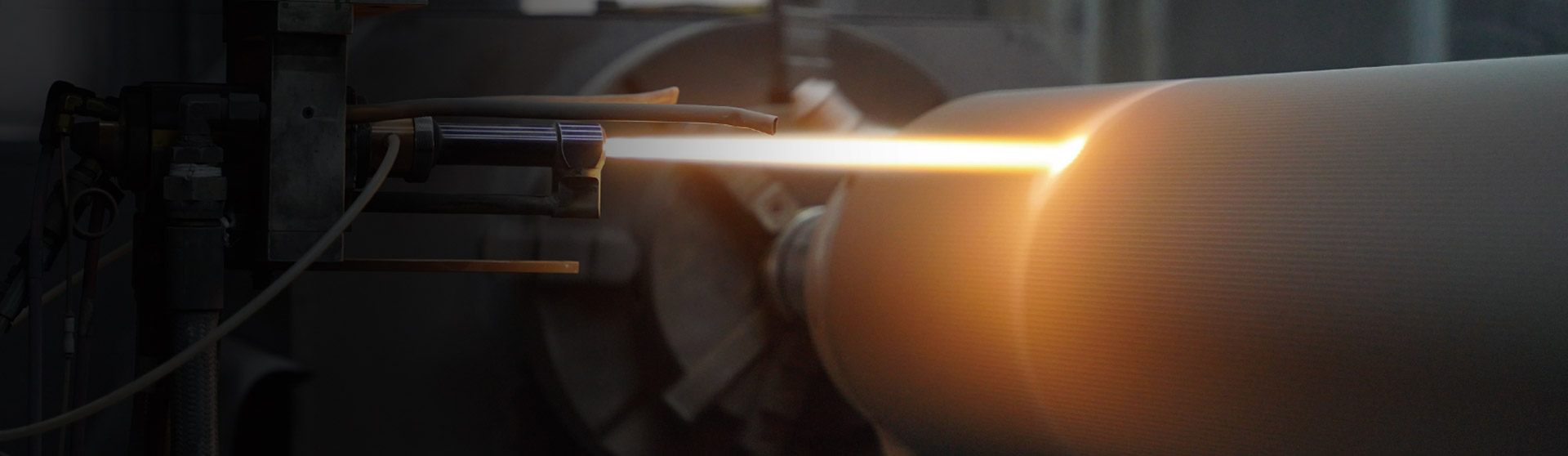

Two corrugators may produce the same type of corrugated board, yet require different roll designs. Differences in machine structure, roll dimensions, drive systems, and installation arrangements can affect whether a replacement roll fits and performs as intended. At Yonghui, we recommend confirming the equipment model and technical specifications before purchasing a fluting roller for corrugated box production.
Our approach focuses on matching roll geometry and manufacturing requirements with the customer's actual equipment. The following points explain why machine model information matters during procurement.
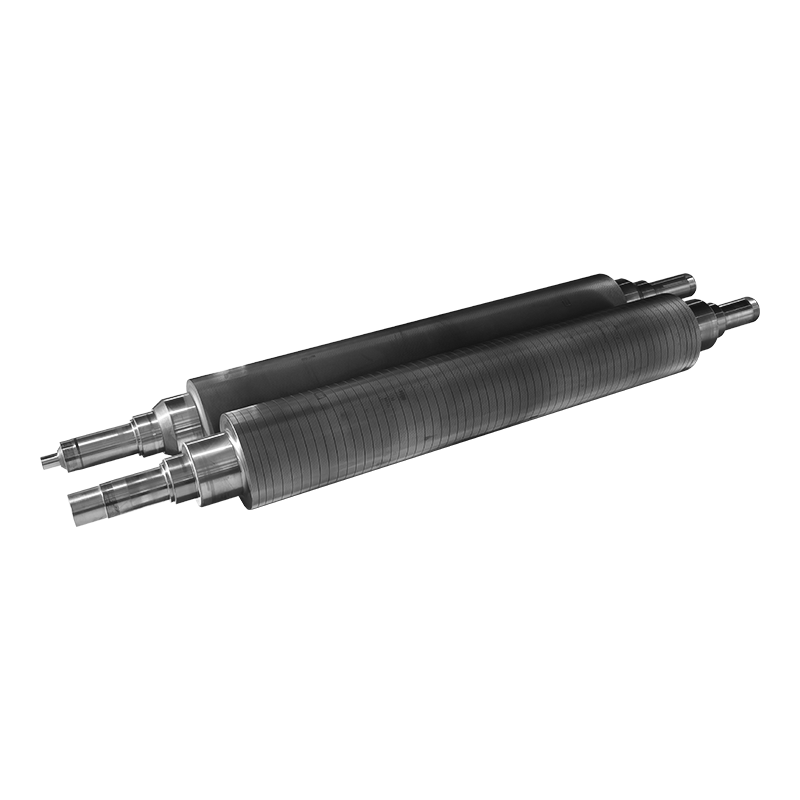
1. Machine Models Determine the Installation Requirements
Different corrugators may use different roll mounting structures, bearing arrangements, and drive connections. A roll with a suitable flute profile may still be incompatible with the target machine if its mechanical dimensions do not match.
- Roll diameter and length: Confirm the dimensions required by the single facer.
- Shaft and journal dimensions: Check the connection points, bearing positions, and installation interfaces.
- Working width: Match the usable roll face to the machine configuration and paper width.
- Drive arrangement: Verify the relevant gear, transmission, and mounting requirements.
At Yonghui, we use machine details and engineering drawings to clarify these requirements before confirming a roll design. Providing the manufacturer, model number, and existing roll dimensions helps us assess compatibility more accurately.
2. Match the Flute Profile to Your Board Specifications
The machine model is important, but the required flute profile also determines the roll geometry. A, B, C, and E flutes differ in height and pitch, affecting finished board thickness and packaging characteristics.
- A flute: Typically has a flute height of approximately 4.5–5.0 mm.
- B flute: Commonly measures around 2.5–3.0 mm in height.
- C flute: Generally has a height of approximately 3.5–4.0 mm.
- E flute: Often falls within a height range of 1.1–2.0 mm.
These figures are general reference ranges. The actual dimensions depend on the agreed flute profile and roll design.
Our team also considers flute pitch, flute count, paper grammage, and required board performance. A machine that currently produces B-flute board may need a different roll configuration to manufacture E-flute packaging. Buyers should confirm the machine's supported profiles before requesting a customized solution.
3. Consider Production Speed and Operating Conditions
Production speed and paper characteristics influence the technical requirements of corrugating rolls. A design intended for one operating range should not automatically be assumed suitable for another.
During the quotation stage, we recommend providing:
- Normal operating speed and rated machine speed.
- Fluting medium grammage and liner paper specifications.
- Heating method and relevant operating conditions.
- Required flute geometry and finished board specifications.
- Specified material, hardness, surface treatment, and inspection criteria.
This information helps us evaluate the relationship between roll geometry and the intended production conditions. Material selection and surface treatment should be confirmed according to the machine design and the customer's requirements rather than a general product description.
4. Prepare the Right Information Before Ordering
Accurate technical information helps reduce uncertainty during roll customization. We suggest preparing a specification package that includes the following details:
- Corrugator manufacturer, model, and single facer configuration.
- Existing roll drawings or verified measurements.
- Roll diameter, working width, overall length, and shaft dimensions.
- Flute type, height, pitch, and required profile.
- Production speed, paper grammage, and board performance requirements.
- Material, heat treatment, coating, and applicable tolerances.
Where original drawings are unavailable, photographs and carefully verified measurements can support the initial review. Our team can identify any missing information that needs confirmation before the manufacturing specifications are finalized.
Work with Yonghui on Your Corrugating Roll Requirements
Does your machine model matter? Yes. It provides an essential starting point for checking mechanical compatibility, but the final decision also depends on flute geometry, operating conditions, materials, and installation dimensions.
At Yonghui, we review these factors together to help customers establish suitable corrugating roll specifications for their production lines. Share your machine model, roll drawings, flute profile, and operating requirements. Our team can review the available technical information and discuss a suitable configuration for your corrugated board manufacturing needs.