
 English
  Español
  Português
  عربى
عربى 


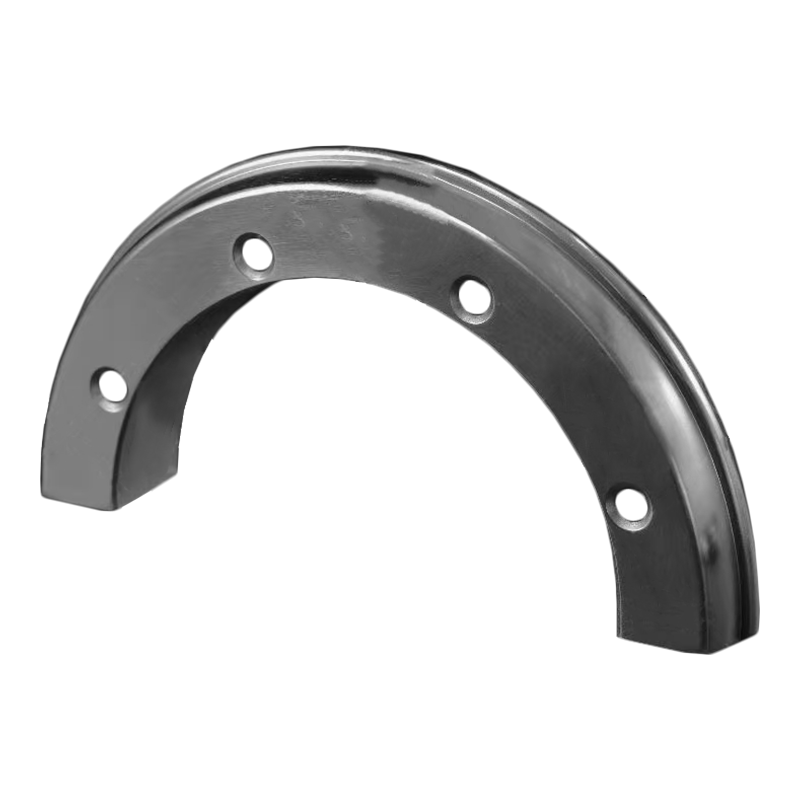
In packaging plants, attention often centers on printing quality, automation speed, or material innovation. Yet one understated component quietly affects them all—the Carton Machine Knife. While it may appear to be a simple blade mounted within a cutting system, its performance influences accuracy, waste levels, and daily workflow consistency.
Rather than viewing it as a replaceable part, many manufacturers now consider the Carton Machine Knife a strategic element within the broader converting process.
Precision That Shapes the Final Product
Every carton begins as a flat sheet of board. The transformation into a functional box depends on clean cuts and accurate dimensions. A properly adjusted Carton Machine Knife ensures smooth edges without fiber tearing or board crushing.
When the blade edge is consistent, folding lines remain clear and gluing processes become easier to manage. Poor cutting, on the other hand, creates uneven flaps and weak corners. These minor defects may seem small at but can affect stacking strength and shipping reliability.
In this sense, cutting precision does not only concern appearance—it supports structural integrity throughout the supply chain.
Material Compatibility and Real-World Challenges
Corrugated board varies in flute type, thickness, and moisture content. A Carton Machine Knife must adapt to these differences without constant manual correction. Blade angle, hardness, and coating all influence how well it interacts with different materials.
Factories that process multiple board grades often require flexible tooling setups. Quick-change systems allow operators to switch blades efficiently while maintaining alignment. This reduces downtime and keeps production schedules on track.
Environmental conditions also play a role. High humidity can soften board fibers, while dry environments increase brittleness. A carefully maintained Carton Machine Knife handles these shifts with fewer disruptions.
Maintenance as Part of Production Planning
Blade care is not just about sharpening when performance declines. Many facilities now include the Carton Machine Knife in preventive maintenance schedules. Tracking cutting cycles helps predict wear patterns and plan timely replacements.
Routine inspection involves checking edge condition, verifying mounting stability, and cleaning adhesive buildup. These small actions reduce unexpected stoppages and maintain stable output.
Instead of reacting to visible defects, proactive blade management supports smoother daily operations. Over time, this approach contributes to cost control and production predictability.
Reducing Waste Through Cutting Accuracy
Material waste directly affects profitability and sustainability goals. Inaccurate cutting can result in misaligned panels or rejected cartons. A sharp and well-positioned Carton Machine Knife reduces scrap by maintaining dimensional consistency.
Some manufacturers integrate monitoring systems that measure vibration or resistance during cutting. Subtle changes in these signals may indicate blade wear before visible damage occurs. Early detection allows timely intervention, helping to avoid large-scale material loss.
By aligning blade performance with quality control systems, factories create a more stable and resource-conscious workflow.
Supporting Automation and Digital Integration
As packaging lines become more automated, mechanical components must work seamlessly with digital controls. The Carton Machine Knife remains a physical interface between machine precision and raw material.
Automated feeders and alignment sensors rely on consistent cut quality to function properly. If blade performance fluctuates, downstream processes such as folding, slotting, and stacking may encounter delays. Reliable cutting helps maintain synchronization across the entire line.
This interaction between mechanical design and digital monitoring highlights how even a single blade contributes to overall system balance.
A Shift in Perspective
Traditionally, blades were treated as consumables—necessary but secondary. Today, many manufacturers recognize that the Carton Machine Knife plays a broader role in efficiency, sustainability, and quality assurance.
By investing attention in blade material selection, alignment techniques, and maintenance planning, factories create steadier workflows without dramatic equipment changes. Small technical adjustments can support measurable improvements in output consistency.
The Carton Machine Knife may be compact, but its influence extends throughout carton production. From ensuring clean edges and reducing waste to supporting automation and maintenance strategies, this component connects detail-level precision with system-level performance.
In a competitive packaging environment, steady and thoughtful blade management provides practical advantages. Sometimes, improving results does not require new machinery—just a sharper focus on the tools already in place.