
 English
  Español
  Português
  عربى
عربى 
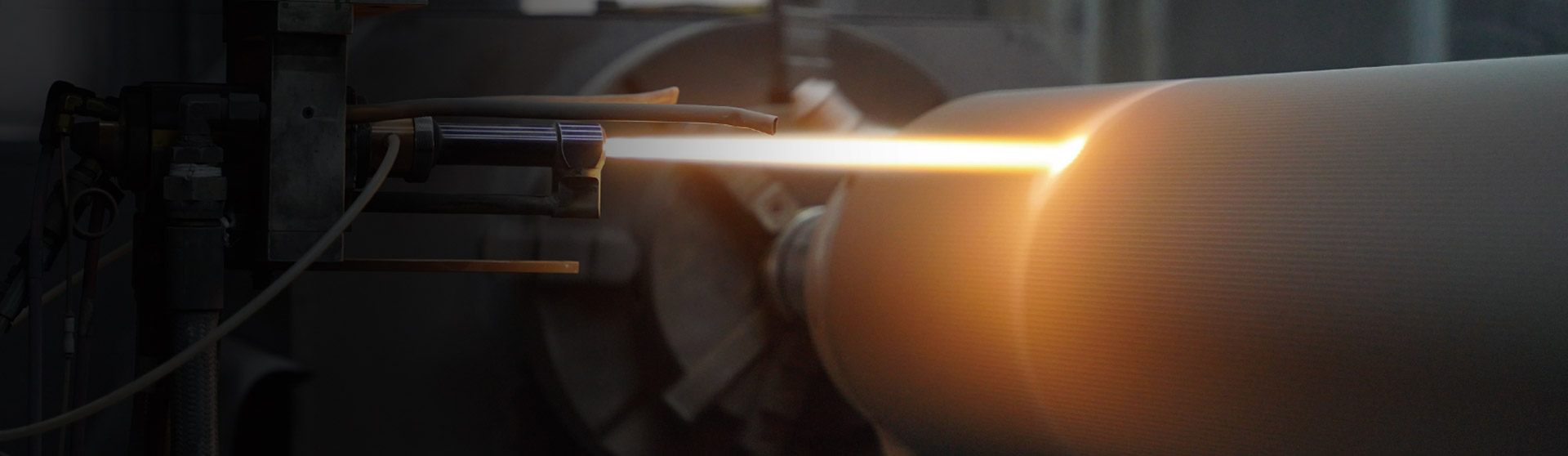

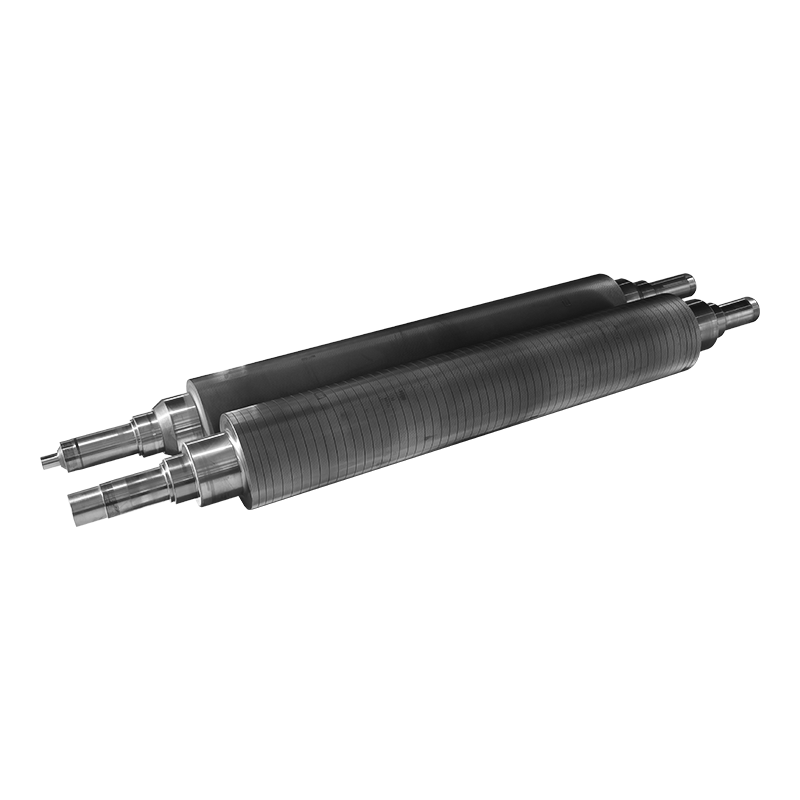
Corrugated packaging may look simple from the outside, but the forming process behind each sheet of board is carefully controlled. Temperature, pressure, speed, and paper quality all interact within seconds. Among the components that quietly influence this balance, the Peripheral Heating Corrugating Roller stands out as a practical solution for improving heat distribution during flute formation.
Instead of relying solely on internal steam channels, this roller focuses on heating its outer working surface. That difference might sound minor, yet it shapes how quickly and evenly the medium paper responds during corrugation.
A Closer Look at Heat Distribution
Traditional corrugating rollers distribute heat from inside the cylinder outward. While effective, this method can create slight temperature variations across the surface, especially during long production runs. A Peripheral Heating Corrugating Roller directs heat toward the outer circumference, where the paper actually makes contact.
This approach supports more even thermal conditions along the flute tips and valleys. When the paper reaches forming temperature in a consistent way, it bends smoothly into shape. Adhesive bonding between medium and linerboard also becomes more stable, reducing the chance of weak spots.
In daily operation, this consistency often translates into fewer machine adjustments. Operators can maintain steady output without frequent fine-tuning.
Production Rhythm and Energy Awareness
Corrugated factories operate under tight schedules. Quick start-ups and smooth shifts between orders matter just as much as final board strength. Because the Peripheral Heating Corrugating Roller concentrates heat at the working surface, it may reach operating conditions more efficiently than some conventional designs.
Shorter warm-up time can help reduce idle running. Over weeks and months, that small difference contributes to more controlled energy consumption. While it does not eliminate energy use, it supports a more predictable pattern of heat management.
This steady rhythm benefits both high-volume production and smaller customized orders. Whether the plant runs continuous batches or mixed specifications, stable heat supports stable output.
Adapting to Different Paper Grades
Paper quality varies widely. Recycled medium behaves differently from kraft paper, especially when exposed to heat and moisture. The Peripheral Heating Corrugating Roller provides a surface temperature that remains consistent across the flute profile, giving operators room to adjust pressure and adhesive flow without losing forming stability.
When switching from lightweight to heavier grades, production teams often face changes in flute shape or bonding time. With controlled peripheral heating, transitions become smoother. The roller does not replace skilled operation, but it supports more reliable results across varied materials.
Surface Engineering and Durability
Beyond heating strategy, material choice plays a crucial role. Corrugating rollers endure continuous pressure and friction. High-strength alloy steel, combined with surface hardening treatment, helps maintain flute precision over time.
In a Peripheral Heating Corrugating Roller, maintaining even heat distribution also reduces uneven thermal stress. Balanced expansion across the roller body can contribute to structural stability. Routine inspection and cleaning remain essential, but thoughtful design supports long service intervals.
Flute geometry must remain accurate to ensure stacking strength and compression resistance in finished cartons. Even slight wear can affect board performance. For this reason, both thermal control and mechanical precision matter equally.
Long-Term Value in a Competitive Market
Packaging producers face pressure to control cost while maintaining consistent board quality. Investing in equipment that stabilizes production conditions can influence both material usage and customer satisfaction.
A Peripheral Heating Corrugating Roller does not dramatically change the appearance of a corrugator line, yet its influence is felt in daily performance. Uniform heat supports reliable flute formation. Predictable bonding reduces waste. Controlled energy use contributes to clearer budgeting.
Over time, these small operational improvements accumulate. The result is a production environment that feels steady rather than reactive.
The growing interest in Peripheral Heating Corrugating Roller technology reflects the industry's focus on stability and efficiency. By concentrating heat where it matters, this design supports consistent flute shaping, smoother order transitions, and balanced energy management.
In the complex process of corrugated board manufacturing, even subtle improvements in heat control can make a noticeable difference. The Peripheral Heating Corrugating Roller represents a practical step toward more dependable and sustainable packaging production.