
 English
  Español
  Português
  عربى
عربى 
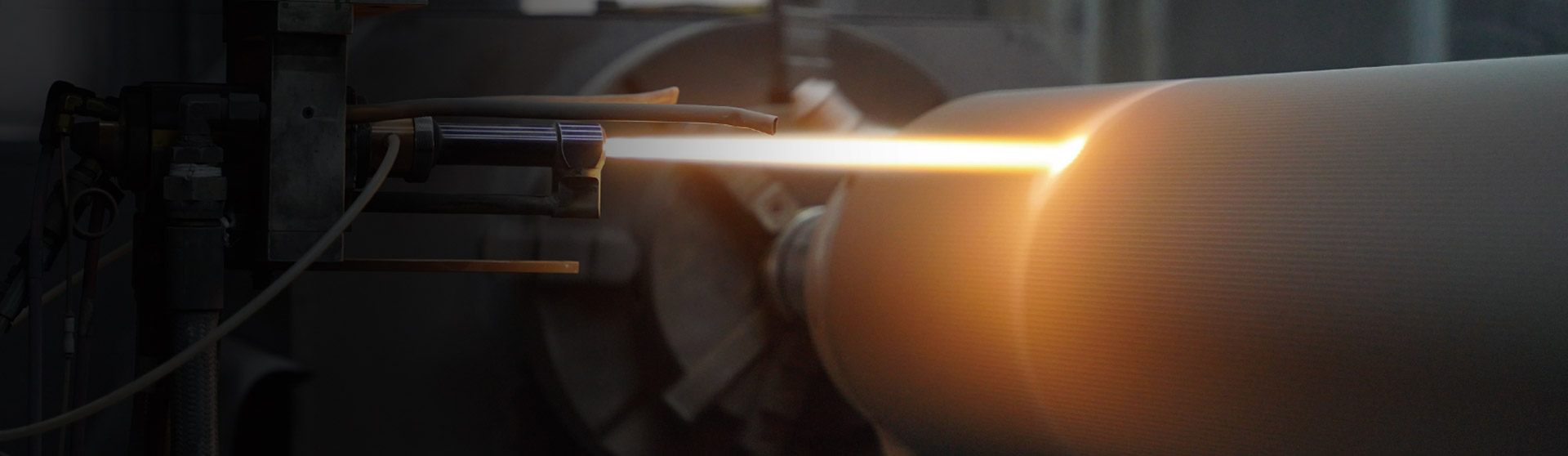

The single-facer section is a sensitive area in corrugated board production because paper forming and adhesive application happen within a very short time interval. The surface condition of corrugating rollers does more than control flute shape. It also influences how starch adhesive interacts with the medium, especially during high-speed operation.
Surface treatment technologies such as hard chrome plating, tungsten carbide coating, and specialized alloy processing create different roller characteristics. These differences can affect surface friction, micro-texture, heat transfer, and contact behavior between the roller and paper. A professional corrugated roller supplier usually considers coating structure and surface finish together with flute design to maintain stable adhesive performance. Modern corrugating rollers commonly use materials such as 50CrMo precision forged alloy steel with tungsten carbide or hard chrome surface layers, depending on production requirements.
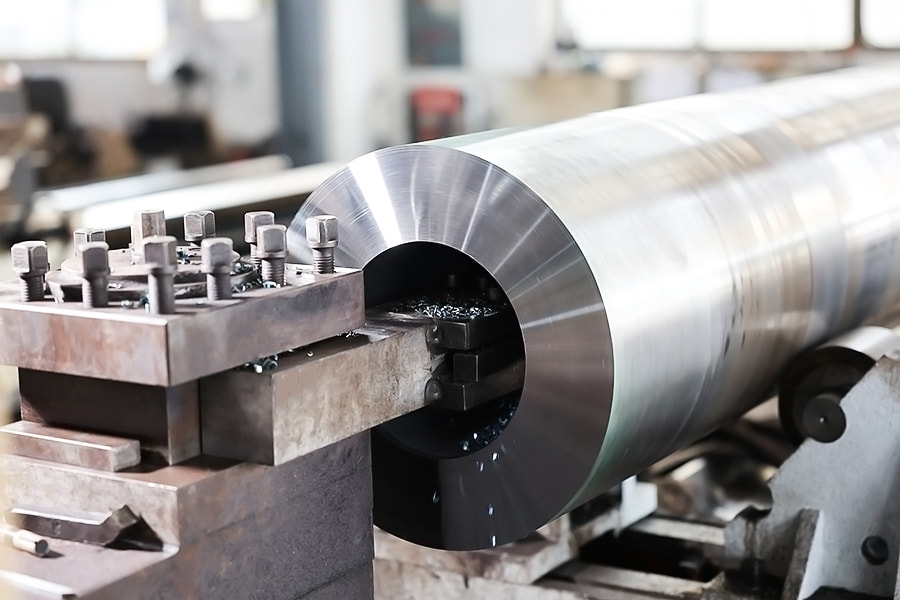
Surface texture changes adhesive contact conditions
Starch pickup during single facer operation depends on several variables, including glue viscosity, application roll setting, paper absorption, roller pressure, and surface characteristics of the corrugating roll.
The roller surface does not directly apply starch adhesive, but it influences the mechanical relationship between the paper and adhesive layer. A smoother surface can create different contact behavior compared with a surface containing more microscopic irregularities.
- Smooth surface finish supports consistent paper movement through the forming zone.
- Controlled surface roughness helps maintain stable friction between paper and roller.
- Stable flute geometry keeps pressure distribution more uniform during bonding.
Precision finishing is an important factor because uneven surface conditions may change local contact pressure, creating differences in starch penetration between flute peaks and valleys.
How tungsten carbide treatment affects starch interaction
Tungsten carbide-coated corrugating rollers are widely used in high-speed single facer applications because of their wear resistance and ability to maintain flute geometry over extended operation. Some industrial specifications include tungsten carbide coatings around 60–80 μm, surface hardness above HRC58, and micro hardness around HV1250–1400.
The relationship between tungsten carbide surfaces and starch pickup is mainly related to long-term profile stability. A roller that maintains its flute dimensions can preserve the designed compression pattern, allowing adhesive application conditions to remain more consistent.
- Wear resistance helps prevent flute height reduction that may alter bonding pressure.
- Stable surface hardness reduces changes caused by continuous paper abrasion.
- Fine surface finishing supports predictable paper contact behavior.
A tungsten carbide surface does not simply increase adhesive absorption. Instead, it helps maintain the mechanical conditions required for repeatable starch transfer and bonding.
Hard chrome surfaces and adhesive behavior
Hard chrome plating has traditionally been applied to corrugating rollers because of its corrosion resistance and surface hardness. However, continuous production gradually changes any roller surface through abrasion and repeated thermal cycles.
As flute dimensions wear, the pressure relationship between the medium paper, pressure roll, and adhesive system may shift. These changes can indirectly influence starch distribution.
- Flute wear variation may create uneven compression zones.
- Surface aging can modify contact conditions over long production periods.
- Profile changes may require adjustments to glue settings.
The key difference between surface treatments is not only initial hardness but also how well the roller maintains its original geometry during repeated production cycles.
Temperature transfer and starch viscosity control
Starch adhesive performance depends heavily on temperature. Corrugating rollers transfer heat from the machine system to the paper, affecting moisture release and adhesive setting behavior.
Different surface treatments may influence thermal transfer characteristics because coatings have different physical properties. A stable roller surface helps maintain predictable heat exchange between the roller and paper during each forming cycle.
- Consistent heat distribution supports stable starch gelatinization behavior.
- Reduced thermal fluctuation helps prevent irregular bonding conditions.
- Controlled surface condition improves process repeatability.
Flute profile accuracy influences glue consumption
Many operators focus on glue machine settings when investigating starch pickup problems, but flute geometry also plays an important role. The corrugating roller determines the shape of the medium, which directly affects the available bonding area.
A worn flute profile can increase or decrease the contact area between paper layers. This changes the amount of adhesive required to achieve proper bonding strength.
- Accurate flute dimensions maintain predictable glue line requirements.
- Stable flute tips support consistent pressure distribution.
- Controlled deformation reduces unnecessary starch consumption.
This is why many manufacturers evaluate roller coating technology together with flute design rather than treating them as separate components.
Choosing surface treatment based on production conditions
Different corrugation lines operate under different requirements. Packaging producers running high-speed equipment may prioritize wear resistance and long-term profile stability, while other applications may focus on initial investment and production flexibility.
A reliable corrugated roller supplier typically reviews several parameters before recommending a surface treatment approach:
- Machine speed range
- Paper grade and GSM range
- Required flute type
- Expected production volume
- Maintenance and regrinding requirements
For example, tungsten carbide corrugating rollers are available in various flute configurations such as A, B, C, E, F, and G flute designs, allowing manufacturers to match roller characteristics with different board structures.
Surface treatment is a balance between durability and process stability
Roller surface treatment influences starch pickup behavior indirectly through a combination of mechanical stability, thermal response, and flute accuracy. The adhesive system and roller surface work together as part of a complete forming process.
Advanced coatings cannot replace proper glue formulation or machine adjustment, but they can provide a more stable operating foundation by maintaining consistent contact conditions throughout production.
Final thoughts on roller surfaces and starch pickup
The connection between corrugating roller surface treatment and starch pickup is based on process interaction rather than a single performance factor. Hard chrome, tungsten carbide, and other surface technologies create different operating characteristics that affect flute stability, pressure distribution, and long-term production consistency.
A knowledgeable corrugated roller supplier helps manufacturers match coating technology with machine speed, paper requirements, and bonding conditions. The right surface treatment supports stable single-facer performance by preserving the precision relationship between roller geometry, paper forming, and starch adhesive application.