
 English
  Español
  Português
  عربى
عربى 

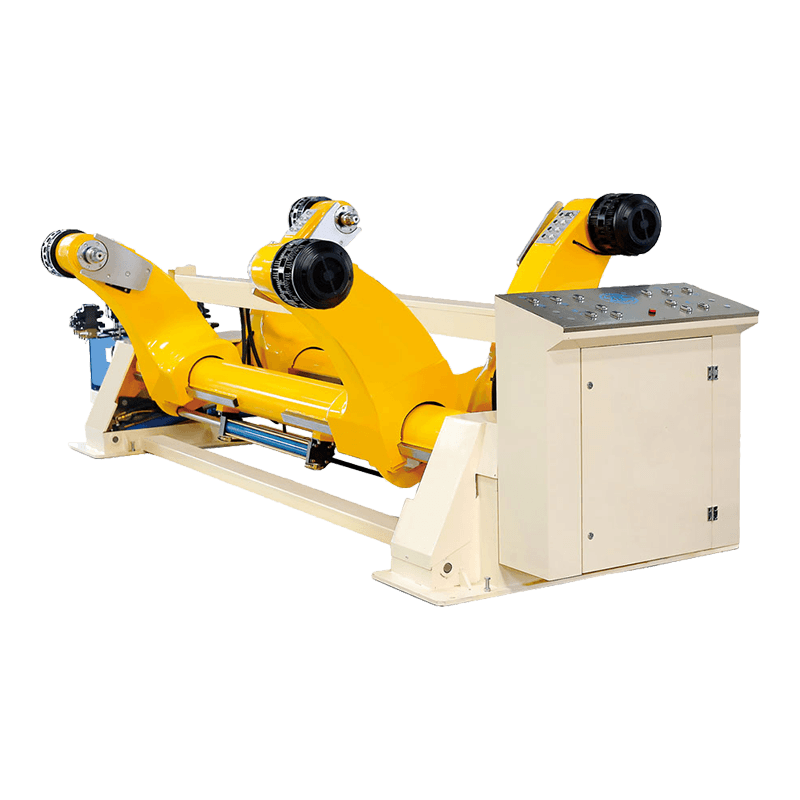
In modern rolling mills, many components work together to shape metal efficiently and accurately. One component that often goes unnoticed but is crucial for the process is the Mill Roll Stand. This equipment supports the rolls that compress and shape metal sheets, helping maintain precision and stability during rolling operations.
What Makes a Mill Roll Stand Important
A Mill Roll Stand holds the heavy rolls in place and allows controlled movement as metal passes through. Without proper support, rolls can misalign, cause uneven thickness, surface defects, or even equipment damage. For steel or aluminum production, this can affect both quality and safety.
Operators often notice that a worn or improperly adjusted roll stand may result in vibrations or inconsistent rolling pressure. Regular monitoring and maintenance of the stand are therefore essential for smooth mill operation.
Components and Material Considerations
The structure of a mill roll stand is typically made from high-strength steel to support the weight and pressure of industrial rolls. Some stands feature hydraulic or mechanical adjustment systems to fine-tune roll positioning during production. Bearings and journals inside the stand reduce friction and allow smooth rotation, which is critical when rolling at high speeds.
Designing the stand for durability and accessibility makes maintenance easier. Since Mill Roll Stand components are under continuous stress, using quality materials and precise assembly extends operational life and prevents unexpected downtime.
Installation and Alignment
Even a high-quality mill roll stand requires careful installation. The rolls must align perfectly with the feeding and output sections of the mill. Misalignment can increase friction, generate heat, and cause uneven metal sheets. Technicians usually measure tolerances carefully and adjust hydraulic or screw mechanisms to ensure consistent pressure across the roll surface.
Some industrial setups use multiple roll stands in a sequence. In these cases, coordination between stands is crucial. Properly adjusted stands help maintain a steady feed rate and reduce stress on the rolling mill drive system.
Daily Use and Maintenance
Regular inspection is essential for long-term reliability. Checking for worn bearings, hydraulic leaks, or surface damage can prevent larger issues. Lubrication is another important factor; applying grease or oil at recommended intervals ensures smooth roll movement and reduces wear on moving parts.
Environmental factors like dust, moisture, or temperature fluctuations can affect performance. Keeping the area clean and protecting the roll stand from excessive heat or debris contributes to consistent operation.
Applications Beyond Metal Rolling
While primarily used in steel and aluminum mills, Mill Roll Stand setups are also found in copper, brass, and other metal processing lines. They provide stability and controlled movement for shaping a wide variety of metals. Engineers may also use roll stands for prototype production or experimental rolling processes, taking advantage of adjustable pressure and positioning systems.
A Mill Roll Stand may seem like a simple frame, but it plays a central role in industrial metal processing. By supporting rolls, ensuring alignment, and allowing precise adjustments, it helps maintain product quality and process efficiency. With careful installation, regular maintenance, and proper operation, a mill roll stand ensures smooth and reliable rolling operations over time, contributing significantly to overall production success.