
 English
  Español
  Português
  عربى
عربى 
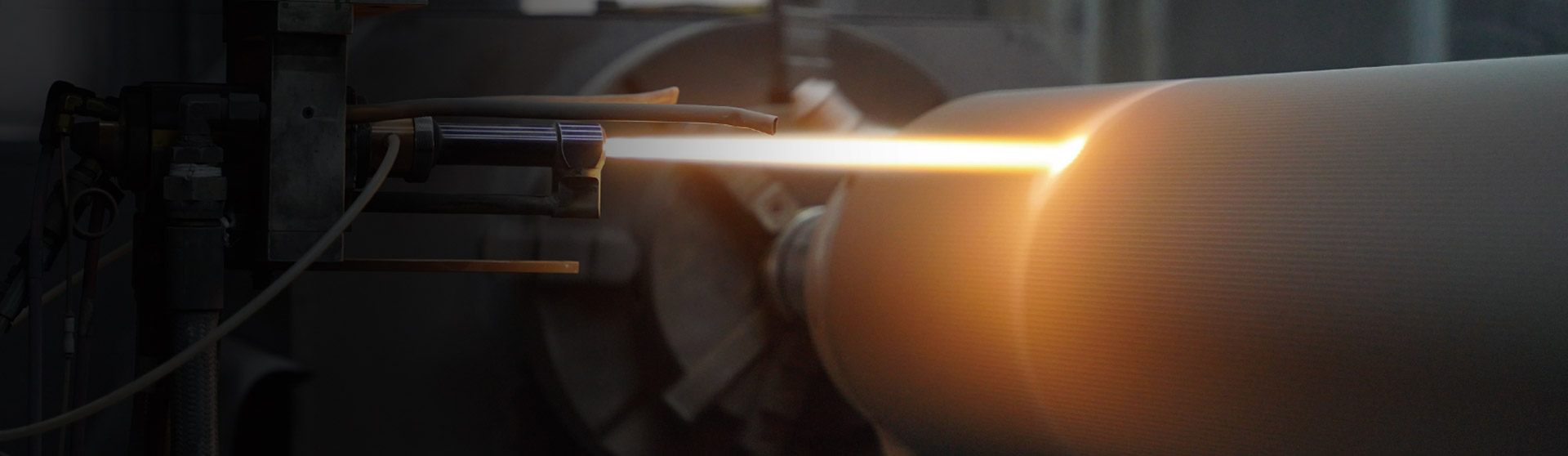

The service life of a corrugating roller is closely connected with its flute geometry accuracy. During long-term production, repeated contact between the roller surface and corrugated medium gradually removes coating material and changes the original flute shape. Regrinding is commonly used to restore surface condition, but every grinding cycle removes a small amount of material from the working profile.
The key question for many users is not simply how many times a roller can be reground, but how many restoration cycles it can complete before flute dimensions begin to affect board quality. A professional corrugated roller factory usually evaluates this limit through flute depth, diameter reduction, coating thickness, surface hardness, and profile accuracy rather than relying on a fixed number of grinding operations. Wear monitoring methods commonly examine flute depth, roll diameter, surface condition, and coating thickness to determine remaining service capability.
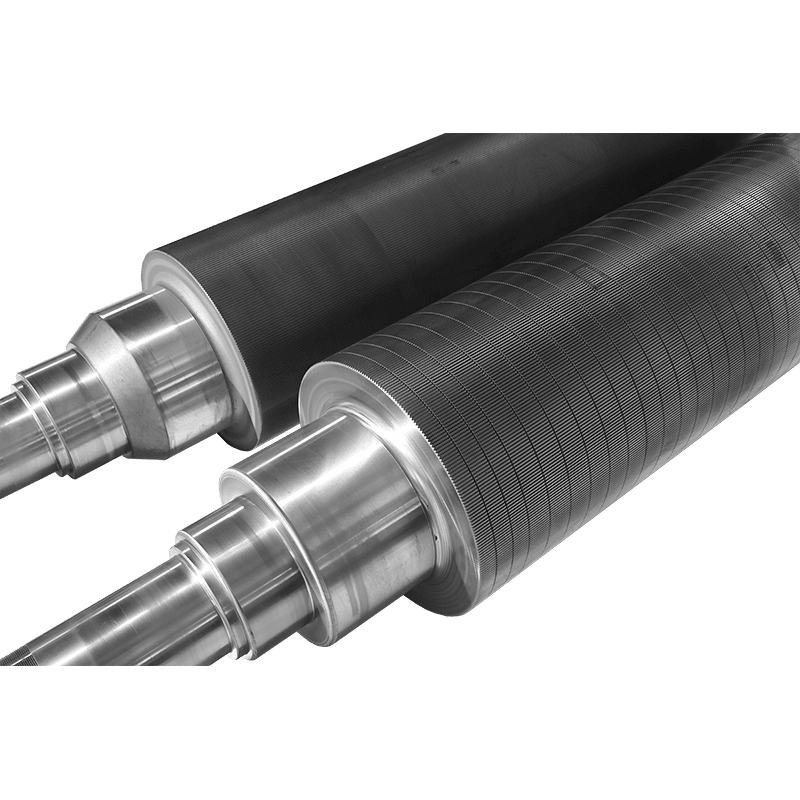
Why regrinding changes flute geometry over time
A corrugating roller is manufactured with carefully calculated flute height, pitch, radius, and land width. These parameters work together to create stable paper forming pressure and consistent bonding conditions.
Each regrinding process removes a thin surface layer to eliminate wear marks, scratches, or coating damage. Although the amount removed during a single operation may appear small, repeated cycles gradually influence the original geometry.
- Flute depth reduction may reduce finished board caliper and compression performance.
- Flute tip radius changes can modify paper bending behavior during forming.
- Land width variation may affect contact pressure distribution.
Technical studies on roller wear show that changes in flute geometry caused by surface wear can reduce processing stability and product consistency.
Typical regrinding cycles before profile distortion
There is no universal number of regrinding cycles suitable for every corrugating roller. The actual lifespan depends on roller material, coating technology, production speed, paper grade, operating pressure, and grinding precision.
Many industrial rollers may undergo several regrinding processes during their working life, while some high-wear applications require earlier replacement. A tungsten carbide coated roller, for example, can achieve extended service duration because of its wear-resistant surface structure, but the remaining flute accuracy still determines whether additional grinding is practical.
- Early grinding cycles usually restore surface condition without major flute deviation.
- Middle service stage requires closer measurement of flute height and diameter changes.
- Late restoration stage may create noticeable profile differences between original and reground geometry.
A high-quality corrugated roller factory normally keeps machining records after every restoration process to track cumulative material removal and remaining working allowance.
Signs that flute distortion is approaching
Flute profile distortion does not always appear suddenly. Production teams often notice gradual changes before the roller reaches an unusable condition.
- Uneven flute height creates high and low areas across the board width.
- Reduced flute definition causes weaker paper shaping performance.
- Increased vibration may indicate irregular contact between roller surfaces.
- Bonding inconsistency can appear because pressure distribution changes.
Industry testing information indicates that continued wear without restoring the roller surface can reduce flute height and increase uneven flute conditions, eventually requiring recutting, rebuilding, or replacement.
Material selection influences grinding tolerance
The roller base material and surface coating determine how much restoration capacity remains after repeated grinding. Hardened steel bodies with advanced coatings generally provide a larger operating window because the surface resists abrasive damage.
Common corrugating roller structures include:
- Hard chrome coated rollers provide reliable wear resistance for standard applications.
- Tungsten carbide coated rollers offer stronger resistance against abrasive paper contact.
- Special alloy steel rollers provide improved hardness retention under continuous operation.
Surface hardness, coating thickness, and grinding allowance together determine how many correction cycles a roller can reasonably support.
How a corrugated roller factory evaluates remaining life
Professional manufacturers do not judge roller condition only through visual inspection. Precision measurement provides a clearer understanding of whether another grinding cycle is technically acceptable.
- Flute scanning measurement checks height, pitch, and profile accuracy.
- Diameter inspection confirms whether the roller remains within machine requirements.
- Coating thickness analysis determines remaining protective material.
- Surface hardness testing verifies resistance after repeated processing.
These evaluations help prevent unnecessary replacement while avoiding performance problems caused by excessive material removal.
Balancing restoration cost and flute accuracy
Regrinding extends roller usability and reduces replacement frequency, but the economic benefit depends on maintaining accurate flute geometry. A low-cost restoration that changes the original forming profile may increase waste, reduce board strength, and create production instability.
The practical target is not achieving the higher number of grinding cycles. The focus is maintaining reliable flute performance throughout the roller’s usable lifespan.
Final perspective on corrugated roller lifespan
The number of regrinding cycles a corrugated roller can withstand varies according to design parameters, coating structure, and production conditions. Some rollers may support multiple restoration operations, while others require replacement sooner because their remaining profile allowance is limited.
Working with an experienced corrugated roller factory helps manufacturers understand the relationship between grinding depth, flute accuracy, and production requirements. Proper inspection records and precision restoration methods allow rollers to deliver stable forming performance without crossing the point where flute distortion begins to affect corrugated board quality.