
 English
 Español
 Português
 عربى

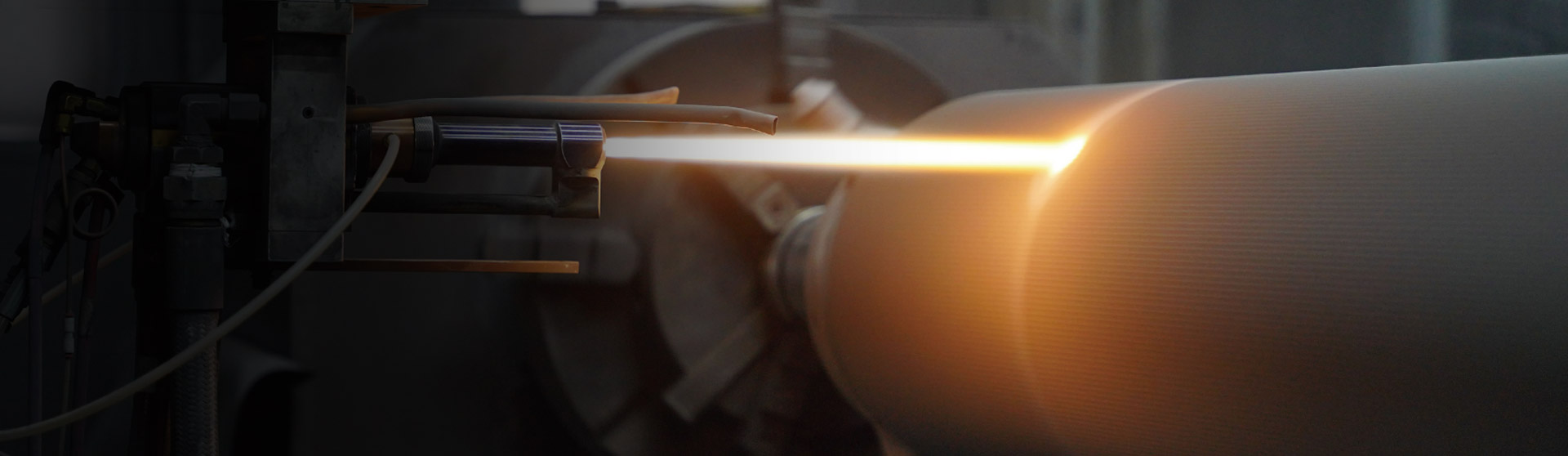

A corrugated box design may look correct on a drawing, but its actual performance depends on board construction, dimensions, adhesive bonding, printing requirements, and production conditions. Moving directly from an approved design to a large manufacturing order can leave little room to correct problems discovered during production. At Yonghui, we encourage customers to define their production requirements and equipment capabilities before committing to a full-scale order.
For buyers planning corrugated box production, a pilot run can provide useful evidence that the proposed specifications work under real manufacturing conditions. However, the scope of the trial should match the risks and complexity of the project.
1. Which Orders Benefit from a Pilot Run?
A pilot run is particularly useful for projects involving new box structures, unfamiliar materials, revised production settings, or changes to manufacturing equipment. It allows the buyer and manufacturer to evaluate actual results before increasing production volume.
- New box designs: Verify dimensions, folding performance, closure methods, and product fit.
- New board specifications: Check whether the selected flute profile and paper combination meet the intended packaging requirements.
- Equipment upgrades: Confirm that the production setup can manufacture the required board structure consistently.
- Large-volume orders: Evaluate production consistency before committing to the full order quantity.
- New suppliers: Gather practical evidence of manufacturing capability beyond quotations and technical presentations.
Routine repeat orders using an unchanged specification may require only the agreed inspection process. A separate pilot run becomes more valuable when the design, materials, production method, or operating conditions introduce uncertainty.
2. Define What the Pilot Run Must Prove
A trial should have a clear purpose rather than simply produce a small quantity of boxes. At Yonghui, we recommend establishing measurable acceptance criteria before production begins so that the results can be evaluated objectively.
- Dimensional accuracy: Compare internal and external dimensions with the approved drawings and tolerances.
- Board construction: Confirm the specified flute type, paper grades, and board combination.
- Structural performance: Assess compression resistance, stacking stability, and other relevant strength requirements.
- Printing quality: Check artwork placement, text readability, color requirements, and barcode scanning where applicable.
- Assembly and closure: Verify that the box folds, seals, and holds its intended shape during normal handling.
Test methods should reflect the packaging application. A carton carrying lightweight retail products may have different acceptance criteria from a shipping box designed for heavy goods or palletized distribution.
3. Test Under Representative Production Conditions
A hand-made prototype can help verify dimensions and basic construction, but it may not represent the results of the actual manufacturing line. A production-representative trial provides more relevant evidence because it uses the intended equipment, materials, tooling, and process settings.
During a pilot run, buyers should consider the following checks:
- Material consistency: Confirm that the board and paper grades match the approved specification.
- Process stability: Observe whether dimensions, flute formation, bonding, and cutting remain consistent throughout the trial.
- Production handling: Check whether the boxes can be folded, filled, sealed, and stacked using the intended workflow.
- Packaging performance: Test representative filled boxes under expected storage, transportation, and handling conditions.
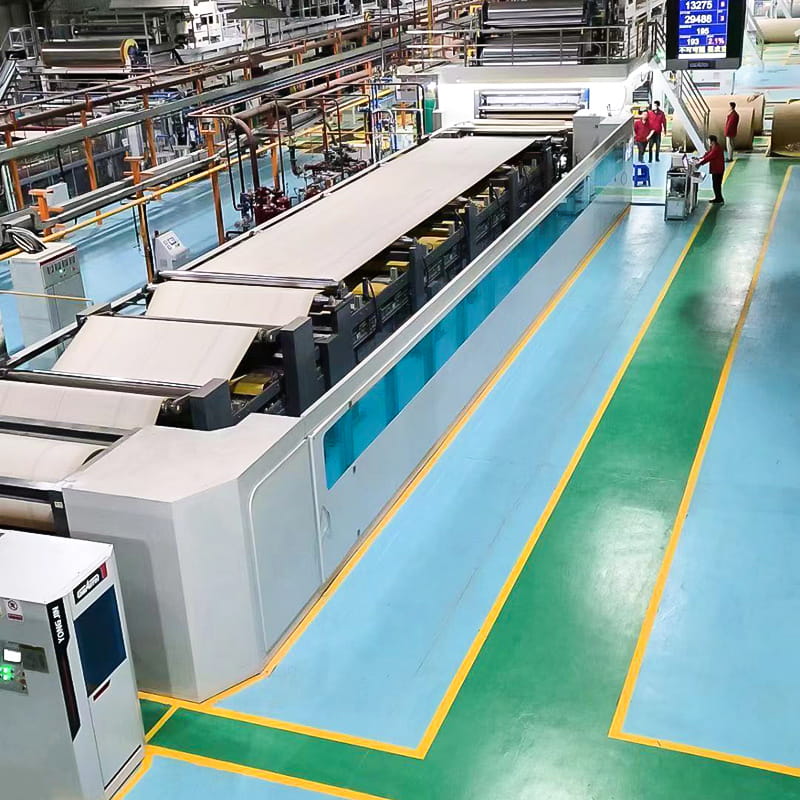
For projects involving corrugated board manufacturing equipment, the trial can also help confirm whether the selected line configuration supports the required paper width, flute profile, and planned production conditions. Actual results should be recorded rather than inferred from the machine's rated speed alone.
4. Agree on the Pilot Quantity and Acceptance Process
The appropriate pilot quantity depends on the product design, production variability, testing requirements, and commercial risk. A single sample may confirm fit, but it cannot establish consistency across a longer manufacturing run.
Before authorizing the trial, buyers should agree on:
- The trial quantity and the production equipment to be used.
- The materials, drawings, and specification revisions that apply.
- The inspection methods, acceptance limits, and responsible personnel.
- The handling of rejected samples, corrective actions, and repeat testing.
- The approval procedure required before full production is released.
Keeping a signed approval record and retaining representative samples creates a reference for subsequent production. Any agreed changes to materials or specifications should be documented before the next manufacturing stage.
5. Compare Pilot Results with the Cost of Production Risk
Pilot runs require additional planning, materials, and machine setup. Buyers should weigh these costs against the potential expense of rejected cartons, rework, delayed shipments, or packaging that fails during distribution.
A practical decision framework includes three questions:
- How significant is the design risk? New structures and demanding strength requirements generally justify more testing.
- How costly would a production error be? Large orders and customer-specific packaging may warrant stronger verification.
- Can the trial reproduce normal production? Testing is more useful when the materials, machinery, and operating conditions represent the intended order.
Buyers can also consider a staged release, approving an initial production quantity before authorizing the remaining volume. This approach provides an additional review point without requiring every project to follow the same trial procedure.
Discuss Your Production Requirements with Yonghui
Pilot runs are not necessary for every corrugated box order, but they provide valuable evidence when a project involves technical changes, new suppliers, or significant production commitments. Clear specifications, representative testing, and documented acceptance criteria help buyers make informed decisions before scaling up.
At Yonghui, we work with customers to review corrugating equipment requirements and production configurations for different corrugated board applications. Visit our website to discuss your project requirements and identify the technical details that should be confirmed before production begins.