
 English
  Español
  Português
  عربى
عربى 
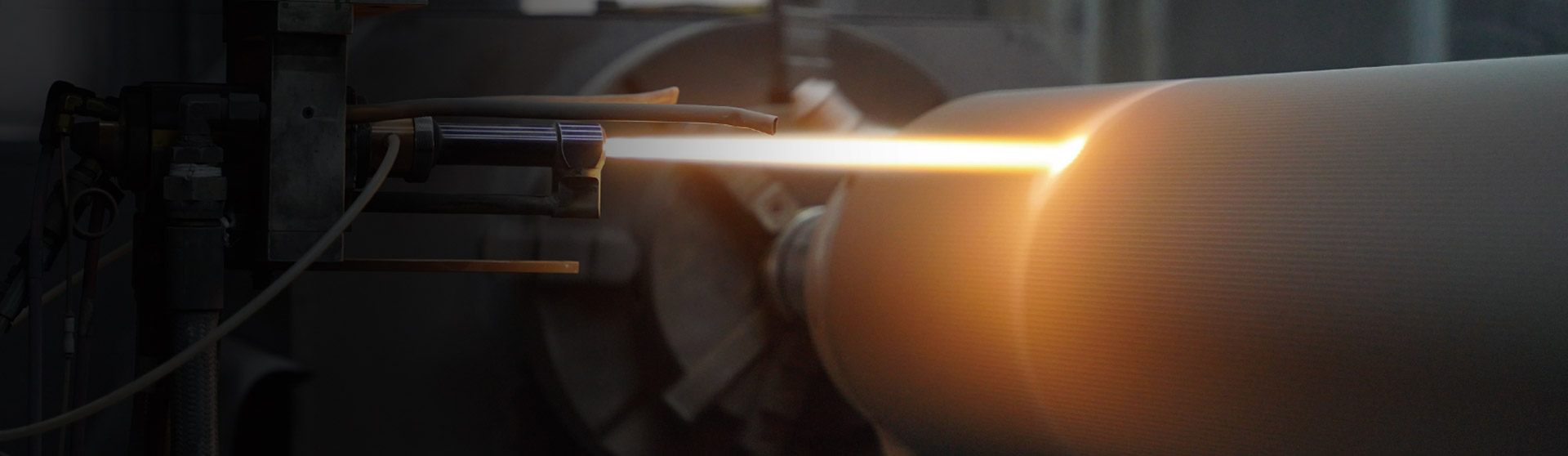

Flute crush can appear as a small change in board thickness, yet its effect can extend through the entire converting process. A single facer corrugated machine forms the flute, applies adhesive, and joins the corrugated medium with the liner. Pressure exists at several points during this process, making it important to identify the exact stage where flute deformation begins rather than treating every low-caliper problem as the same defect.
Start With the Corrugating Nip
The corrugating nip is the point where the flat medium passes between intermeshing fluted rolls and receives its corrugated profile. Excessive mechanical loading at this stage can damage the flute structure before the liner is attached.
- Excessive nip load can flatten or deform flute tips during forming.
- Worn roll profiles can reduce effective flute height and create uneven caliper.
- Uneven roll pressure can produce different flute dimensions across the web width.
- Foreign objects or damaged roll surfaces can create localized flute deformation.
Single facer designs commonly use two fluted corrugating rolls to form the medium, followed by a pressure roll that brings the liner into contact with the adhesive-coated flute tips.
Pressure Roll Is Another Critical Point
Flute formation may look correct before the liner reaches the bonding nip. Problems can develop later through excessive pressure between the corrugating roll and pressure roll. This section needs enough load to establish contact and support adhesive bonding, but unnecessary loading can compress the flute tips.
Pressure roll systems have evolved beyond conventional rigid cylindrical designs. Extended-nip and belt-based systems can distribute contact pressure over a larger area. Some modern single facer systems also adjust corrugating-roll pressure according to paper width and board conditions.
Such pressure distribution matters because localized loading can create localized crush. A sheet may therefore show acceptable caliper at the center while displaying lower values near another position across the web.
Paper Conditioning Can Change the Result
Mechanical settings are only part of the picture. The medium needs suitable moisture and temperature before entering the forming section. Paper that is too dry can become less flexible during flute formation, increasing the risk of fracture or deformation. Excessive moisture or unsuitable thermal conditions can also alter forming behavior.
Technical troubleshooting references identify low medium moisture, excessive web tension, and unsuitable preconditioning as potential causes of flute fracture around the corrugating section.
- Medium moisture affects flexibility during flute formation.
- Preheater temperature influences how readily the sheet conforms to the roll profile.
- Web tension can contribute to flute fracture or unstable formation.
Caliper Can Reveal Where Crush Starts
Finished-board inspection alone may not reveal the origin of the problem. A more useful approach is to compare caliper at several points along the process. Measure the single-face web directly after the single facer, then compare it with material after downstream sections.
A noticeable caliper reduction immediately after the single facer suggests that the forming or bonding section deserves closer attention. A later reduction may point toward pressure from downstream equipment instead.
This diagnostic method is supported by practical crush troubleshooting: checking board samples before and after suspected sections can help identify the point where caliper initially decreases.
Flute Height Provides Another Clue
Caliper alone cannot explain every flute problem. Measuring flute height can show whether the corrugated profile itself has changed. ASTM-related guidance identifies corrugating roll profile, paper compressibility, roll wear, and crushing as factors affecting actual board caliper.
Comparing measured flute height with the intended profile can therefore help separate a forming problem from a downstream compression problem.
Pressure Should Follow the Board Structure
Different flute profiles do not respond identically to pressure. C flute, B flute, and microflutes have different heights and pitch dimensions, so a pressure setting suitable for one board structure may not suit another. Recent single facer guidance also notes that higher pressure can flatten flutes and reduce caliper, while different flute types have different sensitivity to compression.
- C flute requires careful pressure control because its taller profile can be vulnerable to deformation.
- B flute has a finer structure and needs consistent roll engagement across the web.
- E flute and microflutes can show dimensional changes from relatively small process variations.
Where Should Operators Look Initially?
Flute crush does not necessarily originate at the point where the defect becomes visible. A structured inspection should trace the web through the corrugating nip, adhesive application, pressure nip, and downstream conveying sections.
Checking nip pressure, roll parallelism, flute height, medium temperature, paper tension, and caliper at different positions can narrow the source considerably. Roll condition also deserves attention because uneven wear can change flute formation and pressure distribution across the working width.
For a single facer corrugated machine, preventing flute crush is therefore less about applying more pressure and more about maintaining the correct relationship between roll geometry, paper conditioning, adhesive bonding, and nip load. Stable flute dimensions at the single facer provide a stronger foundation for consistent corrugated board performance further down the line.