
 English
  Español
  Português
  عربى
عربى 
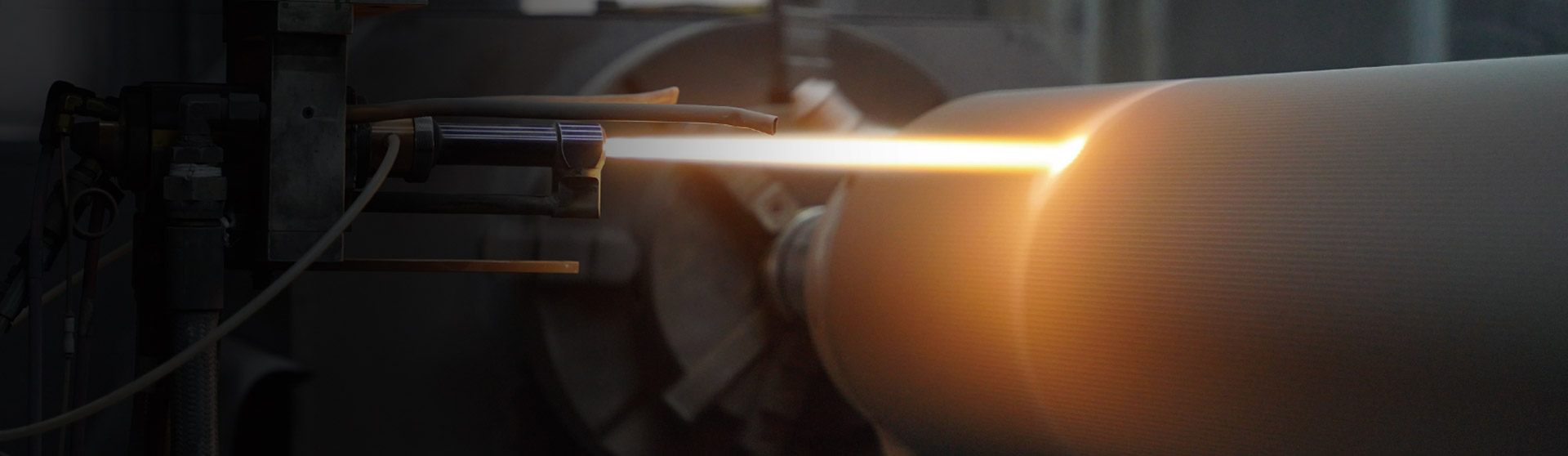

Producing several flute profiles on the same corrugating line creates a different equipment challenge from running a single board specification. A production schedule may move between A, B, C, E, or finer flute profiles, with each configuration requiring appropriate roll geometry, pressure, heating, and glue settings. Corrugator equipment therefore needs to provide more than high running speed. Its ability to adapt between board structures can have a direct effect on production flexibility.
1. Quick Flute Change Deserves Close Attention
Frequent flute changes can turn mechanical setup time into a significant production factor. Traditional roll replacement may require extensive mechanical work, while cassette-style systems allow prepared corrugating roll sets to be exchanged as a complete unit.
- Cassette roll systems can keep different flute profiles ready for scheduled production.
- Motorized roll-change systems can reduce manual handling during profile changes.
- Automatic positioning can help return pressure and roll settings to repeatable positions.
Current equipment examples show flute changes ranging from several minutes to longer changeover periods, depending on machine architecture and roll system. Some modular systems advertise automatic changes in around three minutes, while other cassette designs specify approximately 10 minutes.
2. Roll Compatibility Determines Flute Range
Multi-flute production depends heavily on the available corrugating roll profiles. Different profiles require different flute heights and pitches, so the roll system needs to support the board specifications actually required by the packaging program.
Some modern multi-cassette systems are designed around A, B, C, and E flute configurations. One current equipment specification, for example, lists approximate flute heights of 4.6 mm for A flute, 2.8 mm for B flute, 3.6 mm for C flute, and 1.45 mm for E flute.
This makes corrugator equipment configuration an important consideration before adding new flute products. Having several available profiles can expand production possibilities without requiring a separate complete corrugator for every board structure.
3. Pressure Control Protects Flute Shape
Changing flute profiles also changes the forming conditions. Pressure between corrugating rolls and pressure rolls needs to match the selected flute and paper combination. Excessive pressure can crush the flute, while insufficient contact may affect forming and bonding.
Modern systems may use pneumatic or electronically controlled pressure adjustment. Some equipment also integrates automatic pressure-roll control with production speed and flute settings, allowing parameters to be reproduced after a profile change.
4. Heating Control Matters Across Different Flutes
Heat affects paper conditioning, flute formation, and adhesive bonding. Different flute profiles may require different process conditions because board thickness and paper behavior change with the selected structure.
- Steam heating is widely used around corrugating rolls and preheating sections.
- Independent temperature control can help maintain more stable conditions across different production recipes.
- Preheated replacement rolls can shorten the stabilization period after a flute change.
Some modular corrugating systems specifically use preheated rolls so the line can restart with more consistent board quality after an automatic flute change.
5. Glue Adjustment Should Follow the Flute
Flute height and pitch affect the contact pattern between the corrugated medium and liner. Glue application therefore needs to remain consistent across different flute configurations.
Automatic glue-gap control and speed-linked glue regulation can help maintain suitable adhesive application during profile changes. Some current single facer systems combine automatic glue-gap metering with pressure-roll, steam-pressure, and wrap-position controls.
Such integration becomes particularly useful for corrugated cardboard production involving frequent changes between board specifications.
6. Automation Becomes More Valuable With More Flutes
Manual adjustment can become complicated as the number of flute profiles increases. A line producing only B and C flute may require relatively few recipes. Adding A, E, F, or other profiles creates more combinations of roll, pressure, temperature, glue, and speed settings.
PLC-based control can store production recipes and coordinate several machine parameters after a flute change. This approach reduces the number of individual adjustments operators need to repeat during a new production run.
Multi-Flute Capability Should Match the Product Mix
Not every plant needs the same corrugator configuration. A facility with long production runs and limited flute varieties may place greater value on stable running characteristics. A packaging operation handling frequent orders across several board structures may benefit more from modular rolls, quick-change cassettes, automatic settings, and flexible control systems.
The useful question is therefore not simply how fast corrugator equipment can operate. Flute range, roll-change architecture, pressure control, heating stability, glue adjustment, and recipe automation all influence how effectively one production line can handle different corrugated board specifications.