
 English
  Español
  Português
  عربى
عربى 

In corrugated packaging production, cutting is one of the steps that quietly shapes the final appearance and usability of the material. A Carton Machine Knife works inside this process as a continuous contact tool, meaning it does not operate in isolation but interacts with material flow, machine movement, and pressure control at the same time.
Even when the production setup remains unchanged, slight differences in blade condition can result in noticeable variation in edge smoothness or cutting resistance. Because of this, the cutting blade becomes closely tied to overall production consistency rather than being just a replaceable component.
What Is Carton Machine Knife Used for in Corrugated Packaging Production Lines and Why It Matters in Daily Operation
A Carton Machine Knife is mainly used to cut, split, and shape corrugated paperboard during packaging manufacturing. The cutting process usually happens before folding, forming, or stacking, which makes it part of an early but important stage.
In practice, its functions are not limited to a single action. It may be used for:
- dividing large sheets into working sizes
- forming slots that support folding structures
- trimming edges after shaping
- adjusting width during continuous feeding
Different types of paperboard also create different working conditions. Single-layer board behaves more uniformly, while multi-layer or recycled board may contain uneven density areas. A cutting blade has to respond to these variations while maintaining steady contact during operation.
Which Type of Carton Machine Knife Fits High Speed Medium Speed and Low Speed Paperboard Processing Needs
Production speed changes the way a Carton Machine Knife behaves during use. The difference is not only about how fast it moves, but also how long it stays in contact with material and how often it experiences repeated stress.
In faster production environments, the blade is expected to maintain stable cutting motion over long continuous cycles. This places more attention on edge stability and resistance to heat buildup caused by friction. In slower environments, the blade may be adjusted more frequently, and ease of maintenance becomes more noticeable.
| Operating condition | Cutting behavior focus | Blade requirement |
|---|---|---|
| Higher speed flow | Continuous contact with minimal interruption | Stable edge behavior under steady load |
| Moderate speed flow | Balanced cutting and adjustment cycles | Flexible response to material variation |
| Lower speed flow | Frequent stopping and setup changes | Easier maintenance and sharpening handling |
How Carton Machine Knife Material Selection Affects Cutting Stability in Different Production Conditions
Material selection has a direct influence on how a Carton Machine Knife performs during repeated cutting cycles. The differences are not always visible on initial observation, but they become clear during long operation periods.
Common material directions include tool steel, high speed steel, and carbide-based structures. Each behaves differently when exposed to continuous friction and varying paperboard textures.
Tool steel is often used in general conditions where balance between strength and cost is considered. It handles standard workloads with predictable wear behavior. High speed steel tends to maintain its cutting condition for longer periods under continuous motion, which makes it suitable for more demanding cycles. Carbide-based materials are used in environments where abrasive particles or recycled fibers create stronger wear on the blade surface.
The following points often influence material choice:
- how stable the cutting flow needs to be
- how often the machine runs without interruption
- how consistent the paperboard texture is
- how frequently maintenance can be performed
A cutting blade does not rely on material alone, but material selection sets the base behavior for how it responds to real production conditions.
Why Edge Retention Influences Cutting Consistency and Maintenance Cycles
Edge retention describes how long a Carton Machine Knife can maintain its cutting ability before noticeable wear appears. In production environments, this factor is closely connected to both output stability and maintenance planning.
When edge condition remains stable, the cutting process tends to stay smooth, and the material separates without excessive resistance. The machine also runs with fewer adjustments, which helps maintain consistent workflow. However, as the edge gradually wears, the cutting force increases slightly, and the material edge may begin to show uneven patterns.
This change does not happen suddenly. It usually develops over repeated cycles, influenced by material hardness, surface texture of the board, and cutting pressure settings.
A cutting blade with stable edge behavior helps reduce variation in daily operation, but it still requires monitoring as part of routine production control.
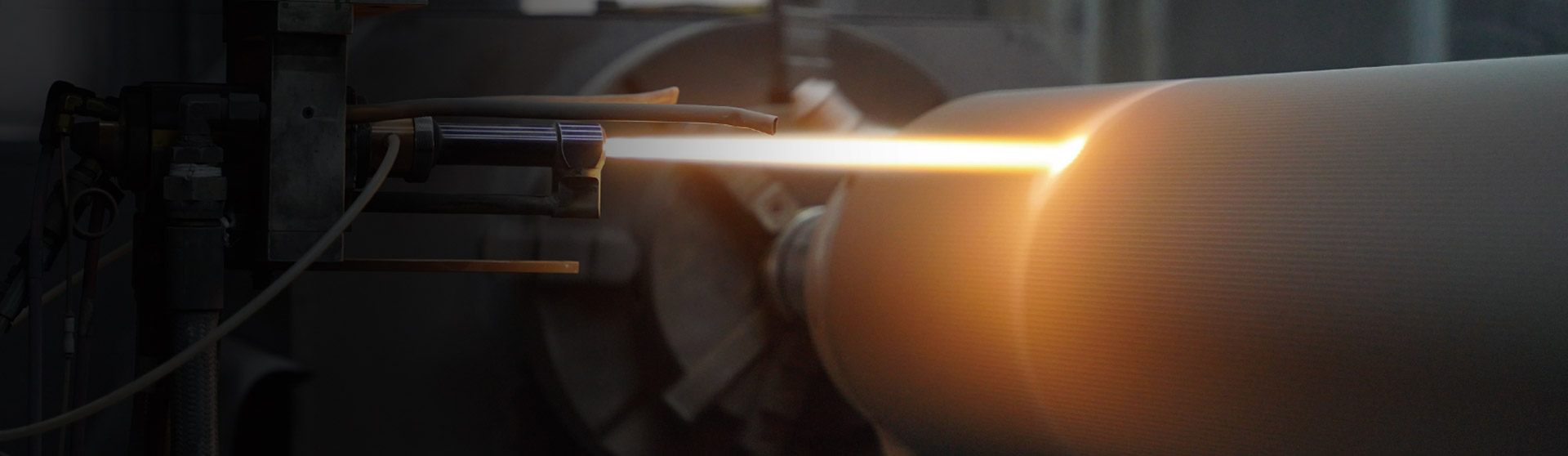
Surface coating is applied on a Carton Machine Knife to adjust how the blade interacts with corrugated board during repeated cutting. Instead of changing the internal structure of the blade, the coating mainly modifies the surface condition, especially the way contact and sliding happen between knife and material.
During operation, friction is always present, and it gradually influences heat buildup and surface wear. A coated surface tends to change how this friction is distributed, so the contact feels more controlled in long running cycles. It does not stop wear from happening, but it can slow down how quickly the surface condition shifts.
Different coating types are chosen based on working conditions. Some coatings are used to reduce sticking from fiber or glue residue, while others are more focused on reducing surface abrasion when recycled board is involved. A Carton Machine Knife with coating treatment often shows more stable surface behavior when material quality is not fully consistent.
In daily production, the effect is usually noticed gradually rather than immediately. Operators may see smoother cutting feel or more stable resistance before any visible change appears on the blade edge.
How Machine Alignment and Setup Affect Cutting Quality in Continuous Production
Machine alignment has a direct influence on how a Carton Machine Knife contacts the material. Even when the blade itself is in normal condition, small deviations in setup can change how force is distributed during cutting.
If alignment shifts slightly, one side of the blade may carry more load than the other. Over time, this creates uneven wear patterns, which then affects how consistently the board is cut. The change is often subtle at the beginning but becomes more noticeable during continuous operation.
Setup conditions such as pressure balance, positioning accuracy, and feeding direction all interact with each other. When these factors are not well aligned, the cutting process may feel less steady, even if the machine continues to run normally.
In practice, operators often focus on keeping contact stable rather than making frequent corrections. This helps the cutting blade maintain a more predictable working state during longer production cycles.
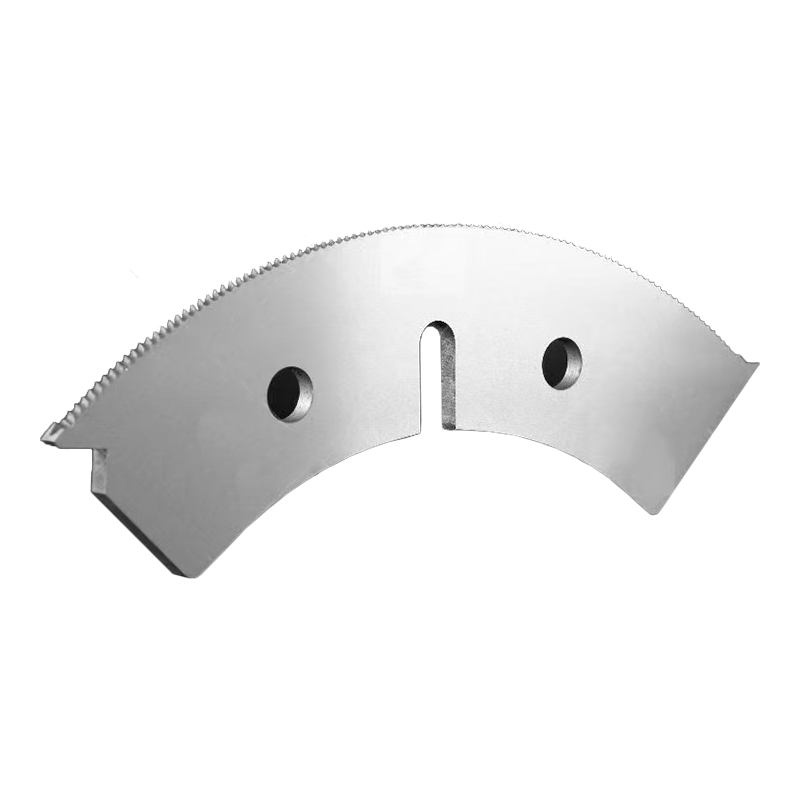
When Carton Machine Knife Should Be Resharpened or Replaced Based on Cutting Performance Signals
One of the early signs is a change in cutting resistance. The material may require slightly more force to pass through the blade, and the cut edge may start to lose its clean separation. These signals often appear before any obvious visual damage.
Sharpening is generally considered when the blade structure remains stable but the edge has lost sharpness. This process helps restore cutting behavior while keeping the same blade body. However, repeated sharpening reduces the usable material over time, which can eventually influence how the blade fits within the machine.
Replacement becomes more reasonable when sharpening no longer brings back stable cutting performance or when wear affects the balance of the Carton Machine Knife during operation.
One practical point often considered in maintenance decisions is:
- whether the cutting resistance continues to rise even after adjustment attempts
This kind of observation helps operators decide whether further maintenance is useful or whether a new blade condition is required for stable operation.
Tips for Extending Service Life Through Operation and Maintenance Practices
The working life of a Carton Machine Knife is strongly affected by how it is handled during daily operation. Even small habits in use can influence how gradually wear develops over time.
Keeping cutting pressure stable is one of the key factors. If pressure is too high or uneven, the blade edge experiences more stress, which can shorten its stable working period. At the same time, inconsistent pressure may also result in uneven cutting lines.
Material condition also plays a role. Paperboard that contains irregular fibers or small hard particles can increase surface abrasion. When incoming material varies too much, the blade tends to show uneven wear patterns earlier than expected.
Regular cleaning helps reduce buildup from fiber and adhesive. This buildup may seem small, but it can change how the blade contacts the material and increase friction during cutting.
In some production environments, maintenance routines are adjusted based on machine workload and material type. These practices are often developed through long-term operation experience, and in many corrugated processing setups, reference is sometimes made to practical usage approaches observed around Zhejiang Yonghui Corrugated Roller Co., Ltd., especially in relation to how Carton Machine Knife behavior is managed in continuous production lines.