
 English
  Español
  Português
  عربى
عربى 

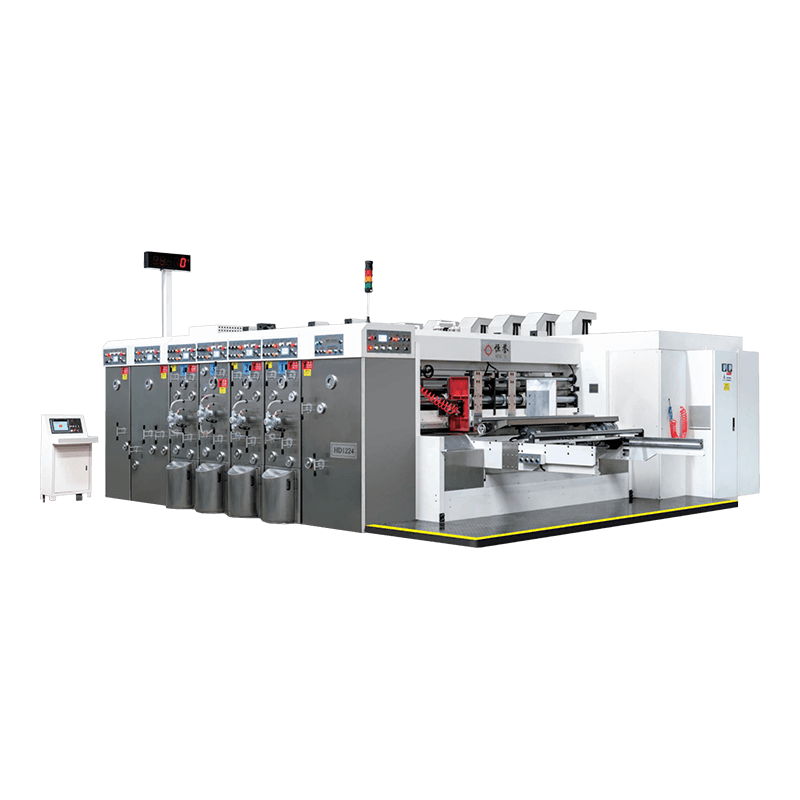
Paste box machines are essential for high-speed folding carton and corrugated box production. While speed and automation improve efficiency, bonding strength often becomes a critical quality factor. Weak bonding can compromise box integrity, causing shipping damage or customer dissatisfaction. Understanding the causes helps operators maintain consistent adhesion and minimize waste.
Glue Selection and Formulation
Adhesive choice is central to bonding quality. Different glue chemistries interact differently with paperboards and corrugated liners.
- Polyvinyl acetate (PVA) concentration affects initial tack and final bond strength
- Hot melt vs. cold-set adhesives perform differently under varying substrate moisture
- Additives such as stabilizers or fillers may reduce bonding efficiency if overused
Proper glue selection tailored to substrate type ensures consistent box integrity.
Glue Application System
Paste box machines rely on precise glue application to create a uniform bond. Variability can produce weak adhesion.
- Roller coating thickness between 0.1–0.3 mm is typical; deviations reduce coverage
- Glue viscosity drift changes wetting behavior on paperboard
- Clogged nozzles or damaged rollers cause to inconsistent glue patterns
Regular cleaning and calibration of glue rollers and nozzles ensure uniform application.
Substrate Surface Characteristics
The surface of the board influences glue penetration and adhesion. Variations in coating, porosity, and moisture impact bonding.
- Surface coatings or liners may prevent proper glue absorption
- Moisture content variation 6–12% changes surface energy and glue spread
- Recycled fiber content creates uneven surface textures that weaken adhesion
Consistent substrate selection and conditioning reduce weak bond occurrences.
Machine Speed and Pressure Settings
Paste box machines require careful balance of feed speed, roller pressure, and dwell time. Excessive speed or insufficient pressure can reduce bond strength.
- High feed speeds above 200 m/min can prevent full glue penetration
- Impression pressure below 5–8 N/mm may create partial adhesion zones
- Inconsistent pressure across rollers leads to weak spots along folds or flaps
Operators should verify speed and pressure settings for each board type and thickness.
Environmental and Drying Conditions
Temperature and humidity significantly influence adhesive performance. Paste box machines often work in pressrooms with variable conditions, affecting glue behavior.
- Ambient temperature swings ±5°C can alter glue viscosity and curing rate
- Relative humidity above 65% reduces drying efficiency and bond strength
- Insufficient cooling or stacking time prevents adhesive from setting fully before handling
Maintaining stable environmental conditions helps ensure repeatable bonding results.
Glue Maintenance and Monitoring
Regular monitoring of adhesive properties is essential. Overlooked maintenance contributes to weak bonding.
- Check glue pH and solids content to avoid chemical degradation
- Clean storage tanks and pipelines to prevent contamination or curing inside lines
- Automated viscosity control maintains consistent application over long runs
Monitoring adhesive properties allows proactive correction before weak bonds occur. Weak bonding on paste box machines is a multifactor issue involving glue chemistry, application uniformity, substrate characteristics, machine settings, and environmental factors. Addressing each aspect systematically reduces waste and improves production reliability. Maintaining consistent adhesive conditions, controlling feed speed and pressure, and monitoring substrate quality ensures strong, durable bonds for high-speed box manufacturing.