
 English
  Español
  Português
  عربى
عربى 


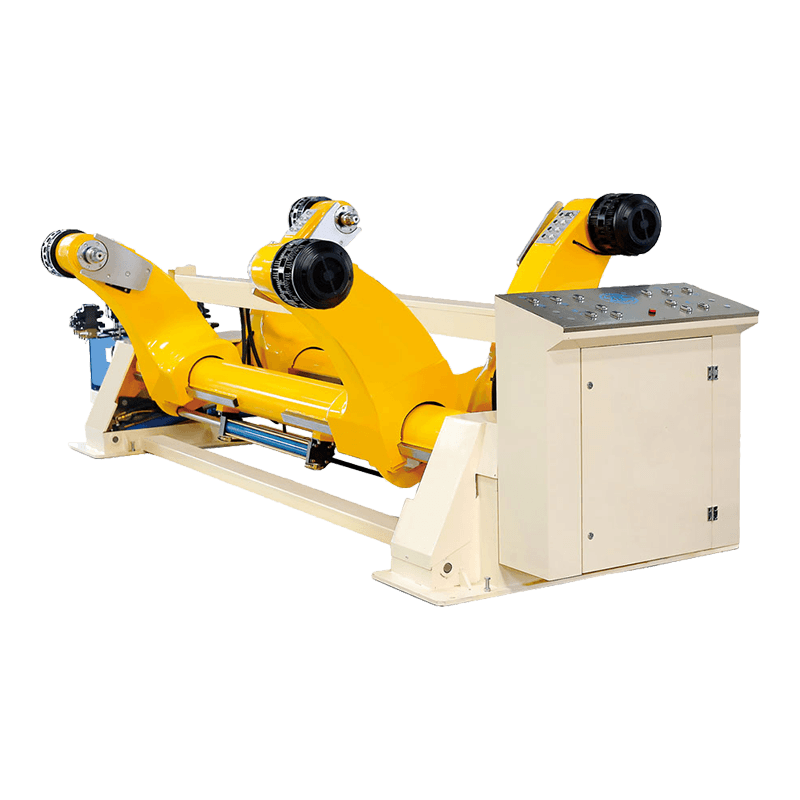
In metal rolling operations, machinery components play a decisive role in both product quality and operational efficiency. Among these components, the Mill Roll Stand is often underestimated. While it may appear as a simple support structure, its design, alignment, and operation directly affect the consistency and precision of rolled metal.
Structural and Functional Aspects
1. Load-Bearing Capability
A Mill Roll Stand is engineered to support heavy work rolls and backup rolls. Its structure must endure continuous pressure without deforming, which prevents vibration and ensures that the metal strip maintains uniform thickness throughout the rolling process. Strong frames and precision-machined contact points are essential for durability and performance.
2. Alignment and Precision
Proper alignment is a key function of a Mill Roll Stand. Misalignment can cause uneven rolling, excessive wear, or even material rejection. A well-calibrated stand ensures that rolls rotate accurately, maintaining consistent thickness and flatness, which is particularly critical for industries requiring precise metal sheets or strips.
3. Flexibility and Adjustability
Some Mill Roll Stands allow adjustable roll positions, enabling operators to handle different material thicknesses, types, and rolling speeds. This flexibility makes the stand suitable for various rolling processes, such as hot rolling, cold rolling, or specialty alloys, offering adaptability without the need for extensive reconfiguration.
Operational Applications
1. Continuous Steel and Aluminum Rolling
In steel and aluminum mills, Mill Roll Stands support both work rolls and backup rolls that reduce strip thickness. Stability and precision in these stands ensure that each batch meets the required dimensions, reducing scrap rates and improving material efficiency.
2. Specialty Products
Some rolling operations produce specialized metal sheets, foils, or patterned surfaces. Mill Roll Stands with precise alignment and adjustable setups enable these products to be formed without compromising surface quality or introducing defects.
3. Equipment Integration
Modern rolling lines often include automated monitoring systems. The Mill Roll Stand serves as a foundation for sensors and actuators that measure roll pressure, strip tension, and temperature. Its structural stability ensures reliable data collection and consistent process control.
Advantages of Using a Well-Designed Mill Roll Stand
Consistent Output Quality: Maintains uniform thickness and smooth surfaces.
- Reduced Mechanical Stress: Protects rolls and bearings from uneven load distribution.
- Operational Flexibility: Adjustable design supports a range of materials and thicknesses.
- Integration with Automation: Provides a stable platform for monitoring and process control.
These advantages translate into more predictable rolling operations and fewer interruptions caused by mechanical issues or product inconsistencies.
Maintenance and Selection Tips
- Inspect structural components for cracks, wear, or deformation regularly.
- Verify roll alignment before and during operations to ensure accuracy.
- Consider stands with adjustable features if the facility handles multiple metal types or thicknesses.
- Ensure compatibility with existing rolling mill equipment, including drives and control systems.
Routine maintenance and careful selection enhance the lifespan and reliability of the Mill Roll Stand, supporting consistent metal production.
The Mill Roll Stand is more than a support frame—it is a crucial element in the precision and efficiency of rolling operations. By providing stability, precise alignment, and operational adaptability, it affects both the quality of the rolled metal and the longevity of the equipment. Manufacturers who understand and utilize the features of a Mill Roll Stand can maintain smoother operations, reduce waste, and adapt to diverse production requirements. Its role demonstrates that even components that appear simple have a significant impact on industrial performance and product reliability.