
 English
  Español
  Português
  عربى
عربى 


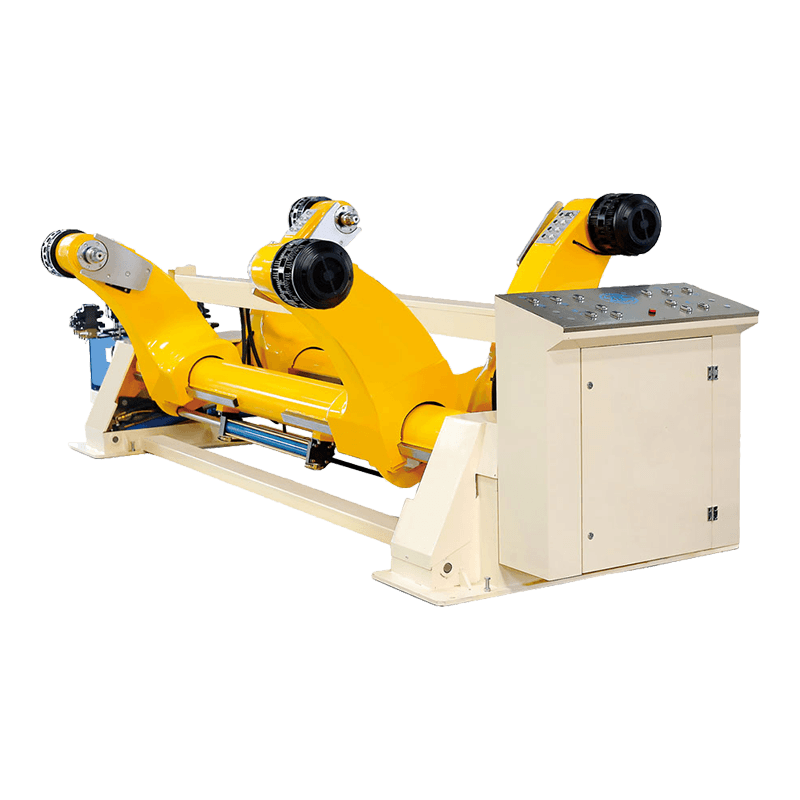
A Mill Roll Stand is a crucial piece of equipment in various manufacturing processes, especially in metalworking and paper production. Its primary function is to hold and support large rolls of material, allowing for smooth feeding into processing machines. Though it may seem simple, the stand plays an important role in maintaining productivity and ensuring operational safety.
Structure and Design
The design of a Mill Roll Stand is usually straightforward but sturdy. It often consists of a heavy-duty frame, adjustable arms, and a rotating shaft or spindle that holds the roll. The frame must be strong enough to bear the weight of large, dense rolls, while the arms or side supports prevent the roll from shifting during operation. Some stands include features like tension control, enabling operators to manage the unwinding speed of the material.
Because rolls can vary in size and weight, versatility is an important aspect. Many modern mill roll stands are adjustable, accommodating different diameters and widths. This flexibility allows manufacturers to handle multiple materials without changing the stand itself, which saves time and reduces labor.
Applications in Manufacturing
A Mill Roll Stand finds use in several industries. In metal processing, it holds coils of steel, aluminum, or other metals for rolling, cutting, or coating. In the paper industry, the stand supports large paper rolls for printing or converting. Textile manufacturers also rely on similar stands to feed fabric into machines efficiently. Essentially, any process that requires controlled unwinding of rolled material can benefit from using a mill roll stand.
Benefits in Operation
One of the key benefits of a Mill Roll Stand is operational efficiency. By providing stable support and controlled rotation, the stand helps maintain a consistent feed of material into production machines. This reduces interruptions, prevents damage to the roll, and can improve the quality of the final product.
Safety is another critical factor. Handling large rolls manually can be dangerous due to their weight and size. The stand reduces the risk of injury by keeping rolls in place and allowing safe handling during installation, removal, or replacement.
Maintenance and Care
Keeping a Mill Roll Stand in good condition is important for long-term performance. Regular inspection of the frame, bearings, and rotating shafts ensures that the stand operates smoothly. Lubrication of moving parts helps prevent wear and tear, while checking for alignment ensures that rolls feed evenly into the machines. With proper care, a mill roll stand can function reliably for many years, supporting continuous production without unexpected downtime.
Choosing the Right Stand
Selecting a Mill Roll Stand requires considering factors such as roll size, weight capacity, and operational speed. Manufacturers also evaluate whether they need features like adjustable tension or mobile stands for flexibility on the production floor. Matching the stand to specific production needs ensures efficient material handling and contributes to smoother manufacturing workflows.
A Mill Roll Stand may appear simple, but it serves an important purpose in various industrial processes. From providing stability and safety to improving operational efficiency, this equipment is essential for handling rolls of material effectively. Proper selection, use, and maintenance of a mill roll stand can help manufacturers maintain consistent production quality while reducing risk and downtime.