
 English
  Español
  Português
  عربى
عربى 
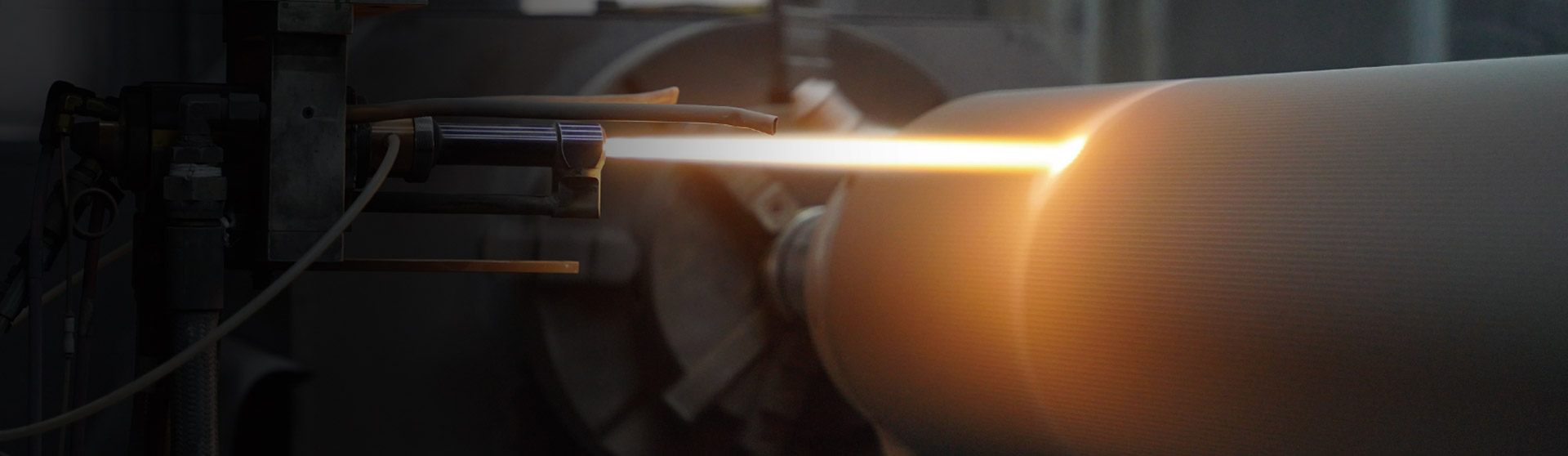

Corrugated packaging plays an important role in global logistics, shipping protection, and retail display. As demand for stable packaging quality increases, production equipment has also evolved to handle more consistent material bonding and heat control. One component receiving attention in this area is the Peripheral Heating Corrugating Roller, which is used in corrugation systems to support uniform heat distribution during paper processing.
Unlike traditional heating methods, this roller design applies heat around the outer surface, allowing controlled contact with paper layers during forming and bonding stages.
Heat Distribution and Paper Bonding Behavior
In corrugated board production, heat plays a key role in how paper layers bond together. Uneven temperature can affect adhesion strength or cause variations in board structure.
A Peripheral Heating Corrugating Roller is designed to maintain steady surface heating during operation. This helps the paper layers respond more consistently as they pass through the corrugation system.
Typical applications include:
- Cardboard packaging lines
- Food packaging production
- Industrial shipping boxes
- Retail display cartons
- Protective packaging materials
Each application may require different thickness levels and bonding characteristics depending on usage needs.
Structural Design of Heating Rollers
The structure of a corrugating roller system is closely related to how heat is transferred during operation. Peripheral heating systems place the heating source around the roller body, allowing contact heat to distribute along the surface.
In a Peripheral Heating Corrugating Roller, internal components usually include:
- Rotating roller shell
- Internal heating channels
- Temperature control sensors
- Pressure regulation system
- Surface coating layer
These parts work together to maintain consistent heating conditions while the roller rotates during production.
Production Line Stability and Workflow Control
Packaging factories often operate continuous production lines where stability is important for maintaining consistent output. Variations in temperature or roller pressure can affect paper alignment and bonding quality.
Using a Peripheral Heating Corrugating Roller helps reduce temperature fluctuations across long production cycles. This supports more uniform corrugated board formation during high-volume manufacturing.
Operators typically monitor:
- Roller surface temperature
- Paper tension levels
- Adhesive application rate
- Line speed balance
- Pressure contact consistency
These parameters help maintain steady operation across different production batches.
Maintenance and Equipment Longevity
Industrial rollers are exposed to continuous heat and mechanical pressure. Over time, this can affect surface condition and internal heating efficiency.
Maintenance for a Peripheral Heating Corrugating Roller often includes:
- Cleaning adhesive residue from roller surfaces
- Checking internal heating elements
- Inspecting rotation alignment
- Monitoring bearing wear
- Calibrating temperature sensors
Regular inspection helps reduce unexpected downtime and supports consistent production output over time.
Energy Considerations in Heating Systems
Energy usage is an important factor in packaging production environments. Heating systems must balance operational requirements with energy consumption control.
A Peripheral Heating Corrugating Roller is often integrated with temperature regulation systems that adjust heating levels based on production speed and material thickness. This allows the equipment to adapt to changing workloads without requiring manual adjustment at every stage.
In many factories, energy monitoring systems are also used to track consumption patterns across production shifts.
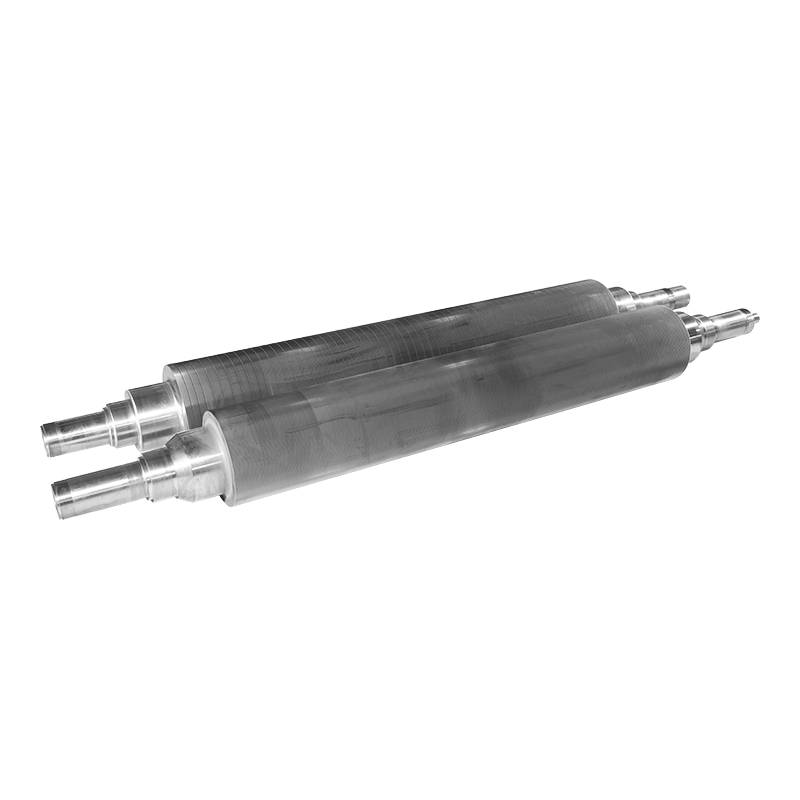
Corrugated packaging production continues to evolve alongside logistics and retail demand. Equipment design is increasingly focused on stability, material consistency, and controlled heat application during processing.
The Peripheral Heating Corrugating Roller reflects this shift by supporting more controlled heat distribution in corrugation systems. In many packaging lines, this type of roller contributes to consistent board formation and smoother workflow integration across different production environments.