
 English
  Español
  Português
  عربى
عربى 

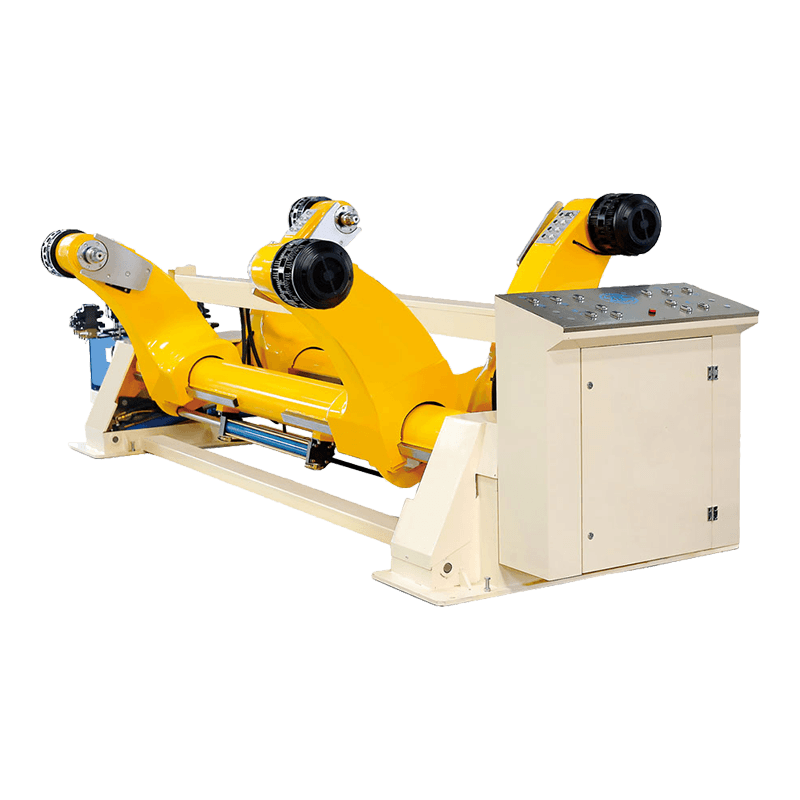
In manufacturing environments where continuous material feeding is essential, stability and precision matter more than ever. One piece of equipment that quietly supports this process is the Mill Roll Stand. Though often overlooked compared to larger machines on the production floor, it plays a fundamental role in ensuring that materials are delivered smoothly and consistently to downstream equipment.
From paper and corrugated board production to metal processing lines, the mill roll stand provides structural support, alignment control, and tension management. Without it, even advanced production systems would struggle with interruptions and uneven output.
The Core Function of a Mill Roll Stand
At its simplest, a Mill Roll Stand holds and supports heavy rolls of raw material, allowing them to unwind in a controlled manner. These rolls can weigh hundreds or even thousands of kilograms, depending on the industry.
The stand ensures that the material feeds into the next stage—whether that's a corrugator, press, or cutting unit—without sudden shifts or slack. This steady feeding reduces material waste and supports consistent product quality.
Hydraulic or pneumatic systems are often integrated into the design to assist with lifting and positioning the rolls. This reduces manual handling and improves workplace safety.
Stability Under Pressure
One of the key challenges in high-speed production is maintaining stable tension. If tension fluctuates, materials can wrinkle, tear, or misalign. The Mill Roll Stand helps regulate this by maintaining controlled resistance as the roll unwinds.
Modern designs often include braking systems or automatic tension control mechanisms. These features allow operators to adjust feeding speed according to production demands.
This balance between control and flexibility ensures that the line operates smoothly, even when switching between materials of different thicknesses or weights.
Efficiency in Material Changeover
Production downtime can be costly, especially in industries that operate around the clock. The Mill Roll Stand contributes to efficiency by simplifying roll replacement and alignment.
Many stands are equipped with dual arms or shaftless systems that allow quick loading and unloading. This design reduces the time needed to replace empty rolls with new ones, keeping the production flow steady.
In some facilities, automated roll-loading systems are integrated with the stand, further streamlining operations and reducing the risk of human error.
Adaptability Across Industries
Although commonly associated with paper and packaging industries, the Mill Roll Stand is also used in textile production, metal processing, and plastic film manufacturing.
Its adaptability lies in its structural design. By adjusting load capacity, arm length, and braking systems, manufacturers can tailor the stand to different material types and production speeds.
This versatility ensures that the equipment remains relevant across diverse applications, from lightweight films to heavy industrial sheets.
Maintenance and Longevity
A well-maintained Mill Roll Stand can operate reliably for years. Routine inspections typically focus on hydraulic components, braking systems, and structural integrity.
Lubrication of moving parts and timely replacement of worn components help maintain consistent performance. Because the stand carries significant weight, ensuring frame stability and proper alignment is especially important.
Regular maintenance not only supports safety but also protects other equipment on the line from stress caused by uneven feeding.
Looking Ahead
As production lines become more automated and interconnected, the role of foundational equipment like the Mill Roll Stand continues to evolve. Integration with digital monitoring systems allows operators to track tension levels and feeding speed in real time.
This data-driven approach enhances efficiency while maintaining consistent material flow. Even as manufacturing technology advances, the basic function of the mill roll stand—steady support and controlled feeding—remains essential.
The Mill Roll Stand may not attract as much attention as large processing machines, but its contribution to production stability is undeniable. By supporting heavy rolls, regulating tension, and enabling efficient material changeover, it ensures smooth operation across various industries.
In the broader picture of manufacturing efficiency, the mill roll stand stands as a reminder that reliable performance often depends on strong, steady support behind the scenes.