
 English
  Español
  Português
  عربى
عربى 
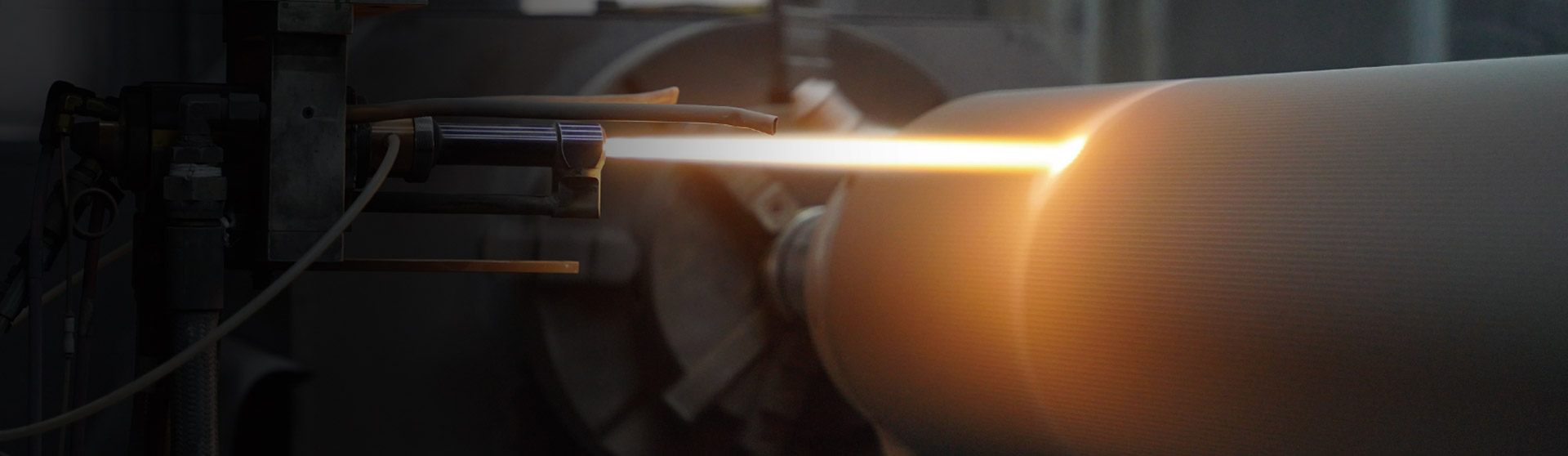

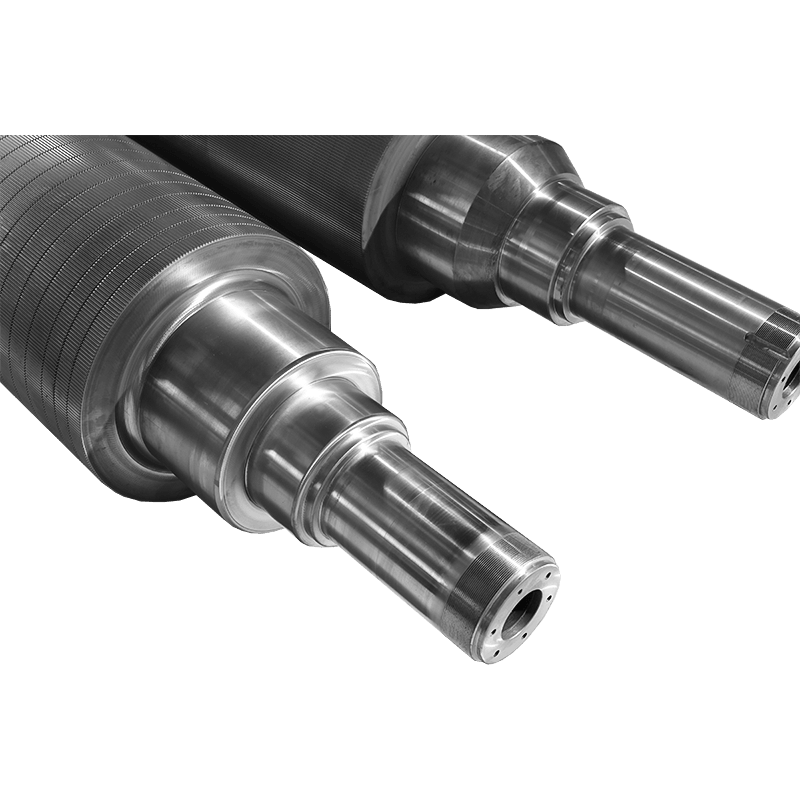
A Small Component with a Major Role
In corrugated cardboard production, consistency is everything. The shape of the flute, the bonding strength between layers, and the overall board durability all depend on precise forming equipment. Among these components, the Tungsten Carbide Corrugating Roller plays a critical role. While it may not be visible once installed inside the corrugator, its influence can be seen in every sheet of board that leaves the production line.
The basic function of a corrugating roller is to form the medium paper into fluted shapes under heat and pressure. When coated or manufactured with tungsten carbide, the roller gains enhanced hardness and resistance to wear. This material choice significantly affects long-term performance.
Why Material Matters
Corrugating rollers operate in demanding conditions. High temperatures, continuous pressure, and constant friction gradually wear down traditional steel rollers. Over time, flute profiles may lose sharpness, affecting board quality and increasing maintenance frequency.
A Tungsten Carbide Corrugating Roller addresses this issue by providing a harder working surface. Tungsten carbide is known for its resistance to abrasion and deformation. This means the flute shape remains consistent for longer production cycles. In practical terms, manufacturers can maintain stable board specifications without frequent regrinding or replacement.
The durability of a Tungsten Carbide Corrugating Roller also contributes to more predictable production planning. Fewer interruptions for maintenance translate into smoother workflows and improved equipment utilization.
Consistency in Board Quality
In corrugated packaging, even minor variations in flute geometry can influence compression strength and bonding performance. A worn roller may create uneven flutes, which affects stacking strength and visual appearance.
By using a Tungsten Carbide Corrugating Roller, manufacturers can maintain more uniform flute profiles across large production volumes. The stable surface ensures that heat transfer and pressure distribution remain consistent. As a result, adhesive bonding between liner and medium paper becomes more reliable.
This consistency is particularly valuable for high-volume packaging operations serving e-commerce, food distribution, and industrial goods sectors, where performance standards must be met batch after batch.
Long-Term Cost Considerations
Although a Tungsten Carbide Corrugating Roller typically involves a higher initial investment compared to conventional rollers, the long-term financial perspective often tells a different story. Reduced wear means fewer shutdowns, lower grinding costs, and less frequent part replacement.
Maintenance teams also benefit from extended service intervals. Instead of reacting to premature wear, they can plan inspections and adjustments more strategically. This reduces emergency downtime and allows production managers to focus on output and quality rather than constant repairs.
In addition, maintaining consistent flute geometry reduces waste caused by defective board. Over time, these incremental savings can offset the higher upfront cost of tungsten carbide components.
Supporting Modern Packaging Demands
The packaging industry continues to evolve, with increased emphasis on lightweight yet strong corrugated materials. Producing thinner boards without sacrificing strength requires precise forming equipment.
A Tungsten Carbide Corrugating Roller supports this transition by delivering stable flute formation even with lighter paper grades. The durability of the roller surface ensures that reduced material thickness does not compromise forming accuracy.
As sustainability becomes a growing concern, manufacturers are exploring ways to use less raw material while maintaining performance. Reliable rollers play a part in achieving this balance by minimizing production variability.
A Strategic Upgrade for Corrugation Lines
Choosing a Tungsten Carbide Corrugating Roller is not merely a material upgrade; it is a strategic decision. It reflects a focus on durability, consistency, and long-term efficiency within corrugated board production.
While the roller itself may operate quietly within the machine, its contribution is significant. From maintaining flute precision to reducing maintenance interruptions, the Tungsten Carbide Corrugating Roller supports steady, dependable packaging output.
In a competitive manufacturing environment where quality and efficiency must coexist, investing in durable components can make a measurable difference. The Tungsten Carbide Corrugating Roller demonstrates how thoughtful material selection can strengthen both performance and operational stability in modern corrugating lines.