
 English
  Español
  Português
  عربى
عربى 

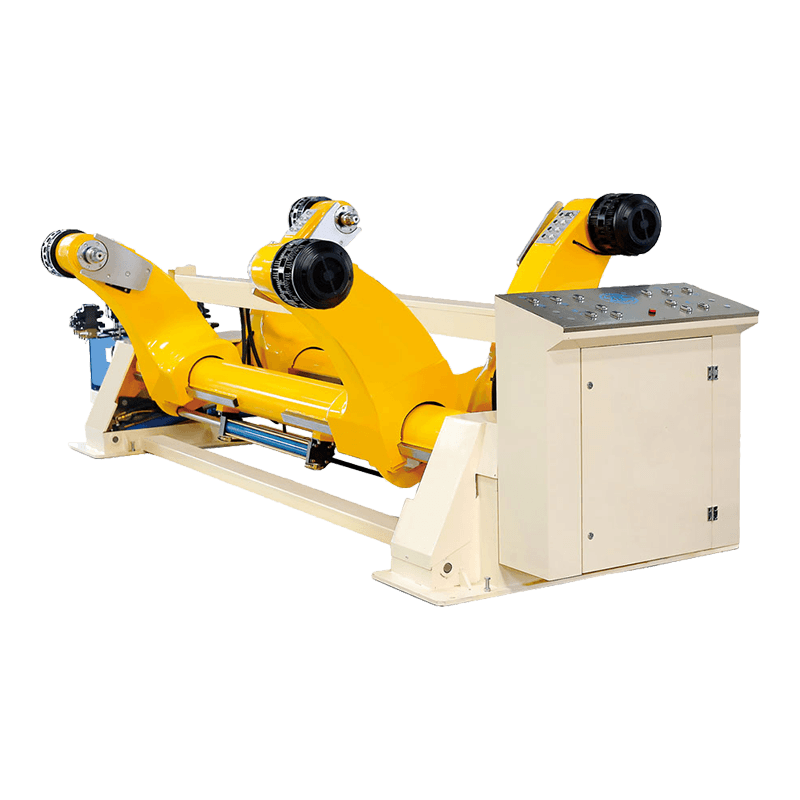
In metal processing, a mill roll stand plays a central role in shaping and reducing metal thickness. Used in rolling mills, this equipment supports and guides rolls that compress metal into sheets, plates, or strips. Understanding its structure, function, and operational benefits is essential for manufacturers seeking efficiency, consistency, and safety in metal production.
1. Understanding the Mill Roll Stand
A mill roll stand is the framework that holds the upper and lower rolls in a rolling mill. It ensures proper alignment, stability, and pressure during the rolling process. The stand is designed to withstand high forces while allowing precise adjustment of the roll gap to achieve desired metal thickness and surface quality.
Different types of mill roll stands exist depending on the rolling process, such as single-stand, tandem, or multi-stand configurations. Each design allows for specific operational needs, from light finishing to heavy roughing of metal coils.
2. Construction and Materials
The durability of a mill roll stand depends on its construction and materials. High-strength steel is commonly used to withstand mechanical stress and minimize deformation. Key components include:
- Roll housing: Holds the rolls firmly and distributes forces evenly.
- Adjustment mechanism: Allows operators to set roll spacing and alignment accurately.
- Bearings and support elements: Reduce friction and maintain roll rotation stability.
Robust construction ensures that the mill roll stand can operate continuously under high load conditions without compromising precision.
3. Operational Benefits
Using a well-designed mill roll stand offers several benefits:
- Precision: Maintains consistent roll gap for uniform metal thickness.
- Stability: Minimizes vibrations and reduces the risk of material defects.
- Efficiency: Supports faster rolling speeds while maintaining quality.
- Safety: Proper design protects operators and equipment during high-pressure operations.
These advantages make the mill roll stand a critical part of any rolling mill setup.
4. Applications Across Metal Processing
Mill roll stands are widely used in industries that require metal shaping, including:
- Steel production: Producing sheets, strips, and coils for construction or automotive use.
- Aluminum rolling: Creating plates and foils for packaging, transportation, or electronics.
- Copper and other non-ferrous metals: Manufacturing thin sheets or strips for industrial applications.
The versatility of the mill roll stand allows manufacturers to handle different metals while maintaining consistent quality.
5. Maintenance and Performance Considerations
Proper maintenance of a mill roll stand ensures reliable performance. Key practices include:
- Regular lubrication of bearings and moving parts to reduce wear.
- Checking alignment and roll gap adjustments periodically.
- Inspecting structural components for signs of fatigue or cracks.
Routine maintenance not only prolongs the lifespan of the mill roll stand but also ensures safe operation and consistent metal quality.
6. Selection Tips
When selecting a mill roll stand, manufacturers should consider:
- Roll size and material: Matches the type of metal and production specifications.
- Load capacity: Ensures the stand can handle the forces generated during rolling.
- Adjustment range: Provides flexibility for different metal thicknesses.
- Compatibility: Works with existing rolling mill configurations and automation systems.
Choosing the right stand is crucial for operational efficiency and the quality of finished metal products.
A mill roll stand is a key component in the rolling process, providing stability, precision, and reliability for metal shaping operations. Its robust construction, adjustable design, and ability to handle high forces make it indispensable in steel, aluminum, and non-ferrous metal production. Proper selection, installation, and maintenance of a mill roll stand help manufacturers achieve consistent product quality, operational efficiency, and long-term equipment performance.