
 English
  Español
  Português
  عربى
عربى 
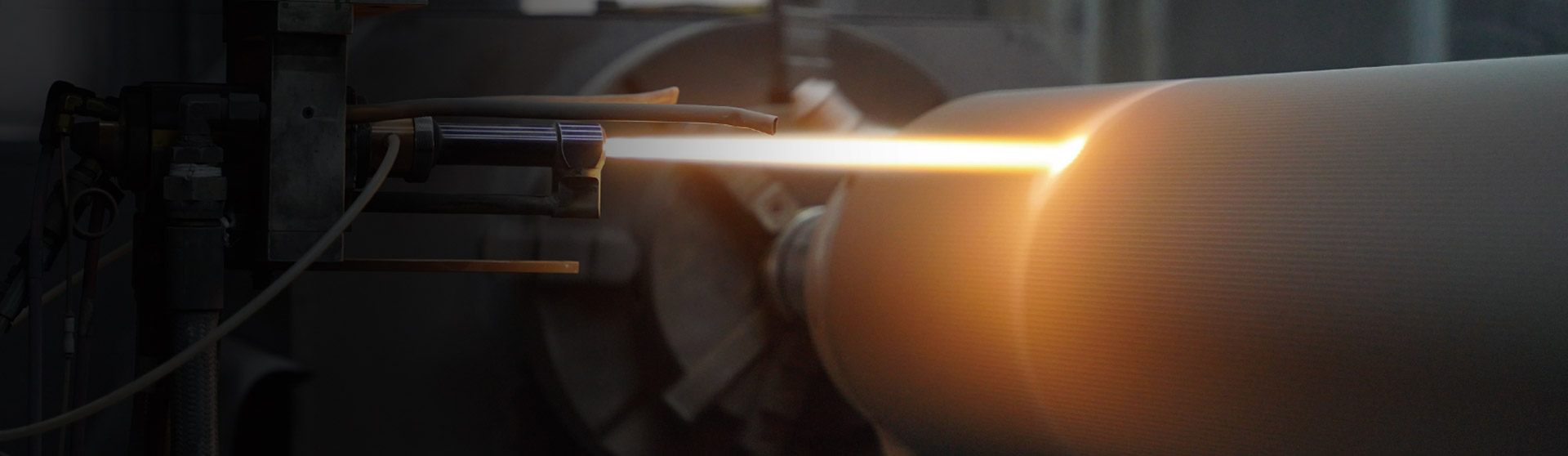

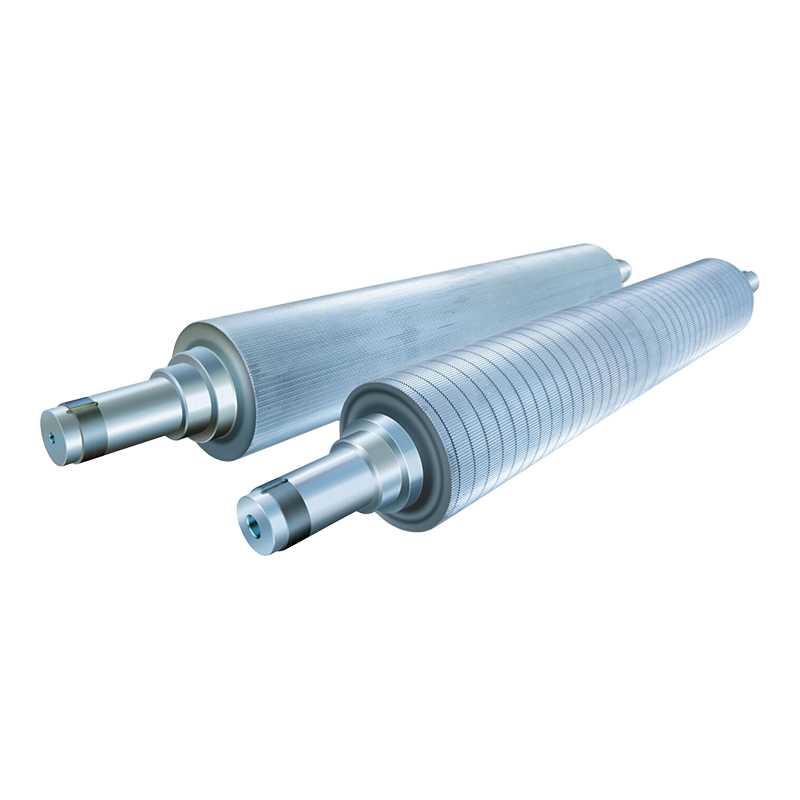
In the paper manufacturing industry, the corrugating process is crucial for producing strong and durable cardboard. A tungsten carbide corrugating roller is an important component in this process, ensuring consistent corrugation, precision, and long service life. Understanding its features, applications, and maintenance can help manufacturers optimize production and maintain high-quality output.
1. Understanding the Tungsten Carbide Corrugating Roller
A tungsten carbide corrugating roller is designed to shape and press paper into a corrugated pattern. The roller is coated or constructed with tungsten carbide, a material known for its hardness, wear resistance, and durability. This allows the roller to maintain its surface texture even under high-speed production and continuous use.
These rollers are used in single-face, double-face, and multi-wall corrugating machines. By providing consistent pressure and patterning, the roller ensures that corrugated boards meet quality standards for strength and stability.
2. Materials and Construction
The key to a tungsten carbide corrugating roller is its material composition. Tungsten carbide is often bonded to a steel core to combine hardness with structural support. Important components include:
- Roll body: Usually made of high-strength steel to withstand operational forces.
- Tungsten carbide layer: Provides wear resistance and maintains precise corrugation patterns.
- End shafts and bearings: Support smooth rotation and reduce mechanical stress.
This construction ensures that the roller can operate effectively over long production cycles without deformation or loss of performance.
3. Performance Benefits
Using a tungsten carbide corrugating roller offers several advantages:
- Durability: Resists wear from high-speed corrugating and abrasive paper materials.
- Precision: Maintains consistent flutes and grooves for uniform board quality.
- Reduced maintenance: Requires less frequent resurfacing or replacement compared to standard rollers.
- Operational efficiency: Supports high-speed production without sacrificing quality.
These benefits contribute to smoother production processes and consistent end-product performance.
4. Applications Across Paper Manufacturing
Tungsten carbide corrugating rollers are used in various stages of cardboard production:
- Single-face corrugation: Shaping the medium before lamination.
- Double-face corrugation: Joining liner boards with corrugated medium.
- Multi-wall production: Producing heavy-duty boards for shipping and packaging.
The versatility of these rollers allows manufacturers to meet different board thicknesses, flute patterns, and production speeds.
5. Maintenance and Handling
Proper maintenance is essential to extend the lifespan of a tungsten carbide corrugating roller. Key practices include:
- Regular cleaning to remove paper dust and adhesive residues.
- Inspection of the tungsten carbide surface for signs of wear or chipping.
- Proper alignment and tensioning in the corrugating machine.
Following these steps ensures consistent board quality and minimizes unplanned downtime.
6. Selection Considerations
When choosing a tungsten carbide corrugating roller, manufacturers should evaluate:
- Roller size and flute type: To match specific corrugating machine requirements.
- Tungsten carbide thickness: Thicker layers offer longer durability.
- Core material: Ensures structural stability under load.
- Compatibility: Fits the existing machine's speed, diameter, and width specifications.
Selecting the right roller helps maintain production efficiency and product consistency.
A tungsten carbide corrugating roller is a key component in producing high-quality corrugated boards. Its durable construction, precise surface, and wear-resistant material allow it to operate effectively in demanding paper manufacturing environments. By choosing the correct roller and performing routine maintenance, manufacturers can ensure consistent board quality, reduce downtime, and support efficient, long-term operations in corrugated board production.